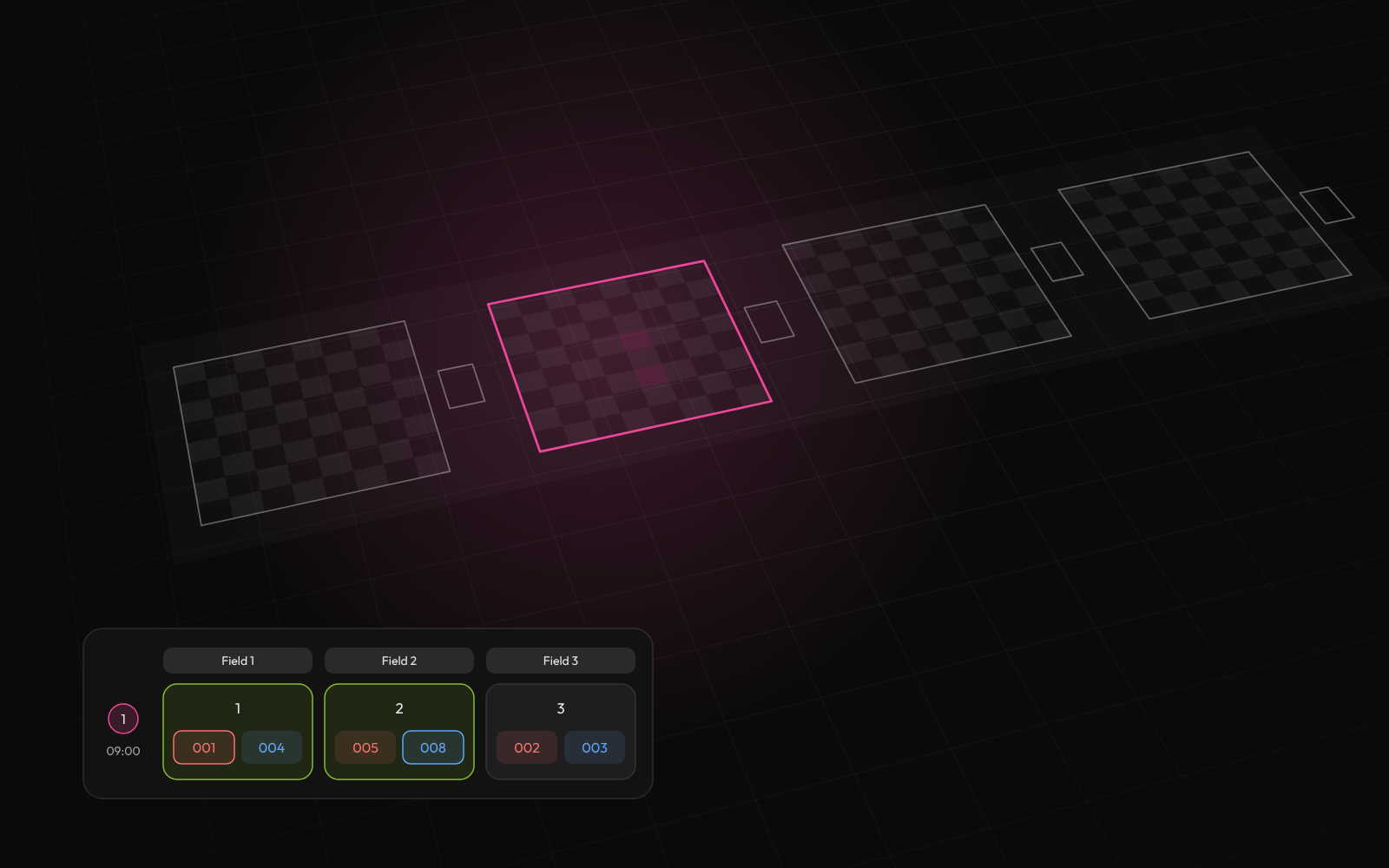
Build the whole schedule
Add your teams, groups and courts. Tournamyx fills in every round across them, a round at a time.
Chess is the sport where the pairing sheet and the tiebreak calculation take longer than the games. Tournamyx handles the rounds, keeps the standings live, and publishes one link every player refreshes between games.
Free for up to 8 players · $12 per event beyond that · Nothing to install
For chess organizers running Swiss tournaments and club leagues
We built Tournamyx for chess organizers in exactly this situation.
Field guide · chess organizers
Chess almost never uses a knockout, because eliminating half the field after one game defeats the purpose of a tournament people entered to play chess in. It almost never uses a full round robin either, past about ten players, because twenty-four entrants playing everyone once is 276 games. The Swiss system exists to solve exactly this: everyone plays every round, and players are paired against others on the same score.
The round count is what determines whether the result is meaningful. As a rule of thumb you need enough rounds that a single undefeated player is mathematically possible to isolate: five rounds separates up to 32 players, six up to 64, seven up to 128. Running four rounds for twenty-four players reliably produces a three-way tie at the top and a tiebreak nobody is happy about.
The other advantage over a bracket is that all boards play simultaneously, so the tournament length depends on the time control and the round count, not on the number of entrants. Twenty-four players or forty-eight, five rounds at G/25+5 is the same afternoon. How the Swiss system works covers the pairing rules in detail, and the Swiss tournament generator will pair your actual entry list round by round.
Swiss rounds and session length by field size
| Players | Rounds | Games total | At G/25+5 |
|---|---|---|---|
| 12 | 4 | 24 | ~4h 30m |
| 24 | 5 | 60 | ~5h 45m |
| 48 | 6 | 144 | ~6h 50m |
| 96 | 7 | 336 | ~8h 00m |
A Swiss tournament ends with players tied on points far more often than not, which is a property of the format rather than a failure of it. Which is why the tiebreak system matters more in chess than in any other sport, and why it has to be published in the entry conditions rather than decided afterwards.
The common systems all measure the same idea from different angles: how strong were the opponents you actually faced. Buchholz sums your opponents’ scores. Median Buchholz drops the highest and lowest before summing, which reduces the distortion from one opponent who withdrew. Sonneborn-Berger weights each opponent’s score by whether you beat or drew them. Direct encounter is simplest of all and only resolves two-way ties.
None of these is calculable in your head, and all of them are calculable instantly from results that are already recorded. The point of running the tournament in software rather than on paper is that the tiebreak is not a separate task at the end of a long day. It is just the standings, already sorted.
The rhythm of a chess tournament is different from a court sport. Every board starts together and finishes at wildly different times. One game is over in twenty minutes, another goes to an endgame and takes the full time control. The next round cannot be paired until every result is in, so the whole room waits on the slowest board, and then waits again while the pairings are worked out.
That second wait is the one worth removing. Pairing twenty-four players by hand takes ten to fifteen minutes per round even for someone experienced, and it happens five times. Over a day that is well over an hour of a full playing hall sitting idle, and it all falls on one person who is also arbitrating.
With the results already recorded as they finish, the next round exists the moment the last game does. Players check the public link for their board and colour instead of crowding the pairing sheet, and the standings, tiebreaks included, are visible throughout rather than announced at the end.
Questions
A Swiss field needs roughly log2 of its size in rounds to produce a clear winner: 16 players needs about 4 or 5, 32 players 5 or 6, and 64 players 6 or 7. Tournamyx pairs each Swiss round on current score, tracks results and recalculates standings on every save.
Tournamyx calculates Buchholz for Swiss events and applies tie-break rules automatically as results are saved, so the standings shown on the public link are the ranked ones. Publish your tiebreak order before round one, because that is where the complaints come from, not from the arithmetic.
Yes. Tournamyx pairs every Swiss round on equal records so nobody is eliminated, handles an odd field, and publishes the pairings to the same public link players are already refreshing. Pairing 32 players by hand between rounds is the step that runs a chess day late.
Yes. Tournamyx is free for chess tournaments of up to 8 players with unlimited tournaments and no credit card, which covers most club nights. Plus is $19 per month for 64 players, and the Swiss generator at tournamyx.com/swiss-tournament-generator runs in the browser with no account.
The comparison
Every match day brings the same questions. Answer them one message at a time, or send one link that answers them for you.
What it handles
Tournament management software earns its keep on match day, at the moments most events fall apart.
Add your teams, groups and courts. Tournamyx fills in every round across them, a round at a time.
Round robin, knockout, Swiss, groups into knockout, timed attempts.
Points, tiebreakers, draws and who goes through. Every stage can be different.
Case study · IIUMRC, Jul 2025
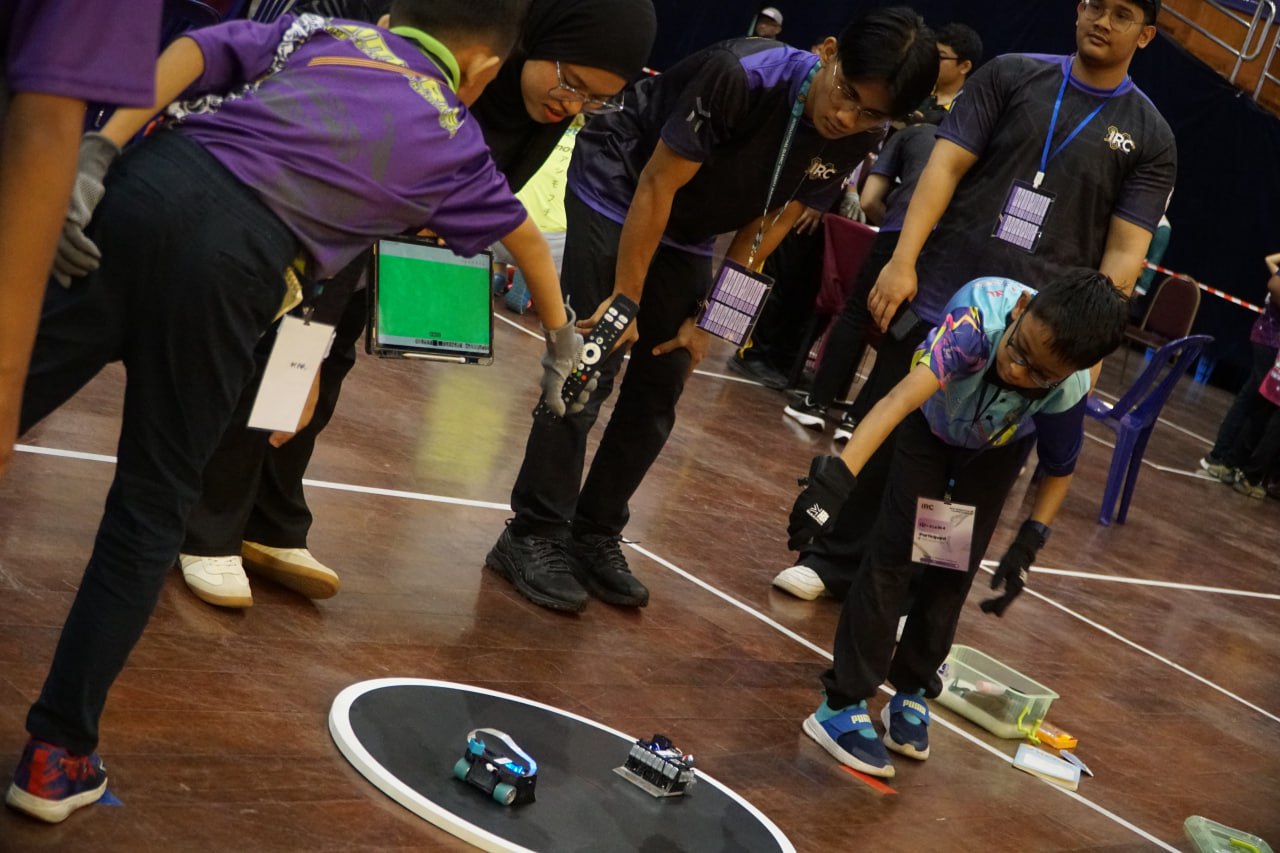
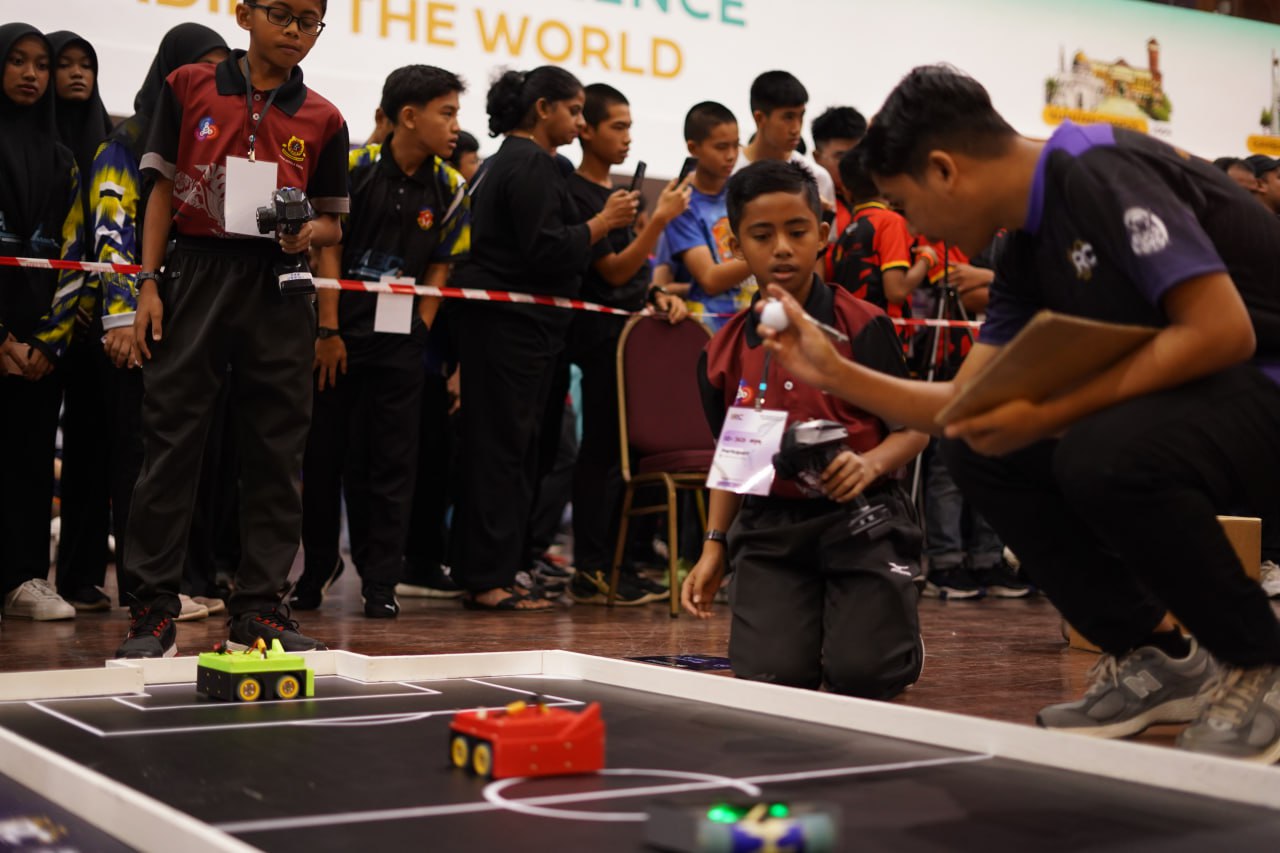
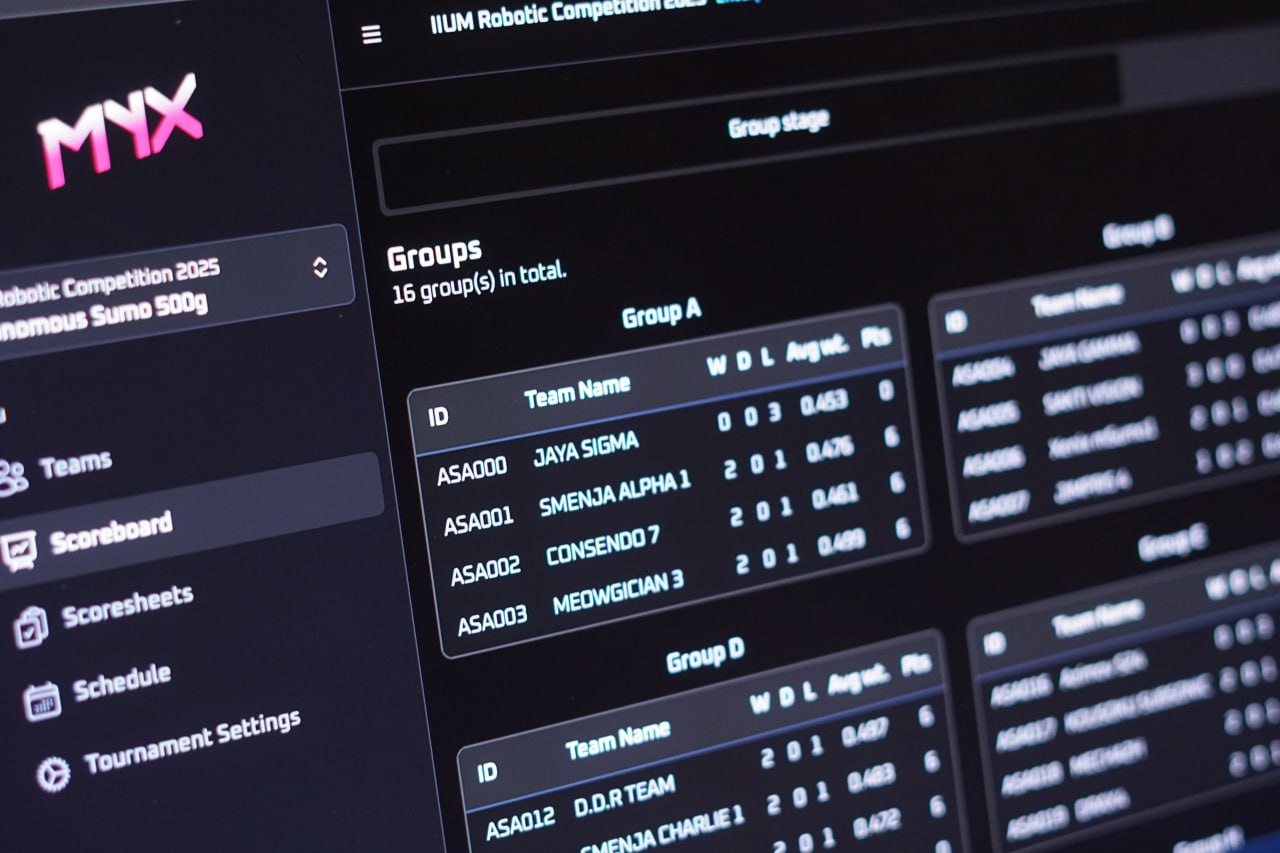
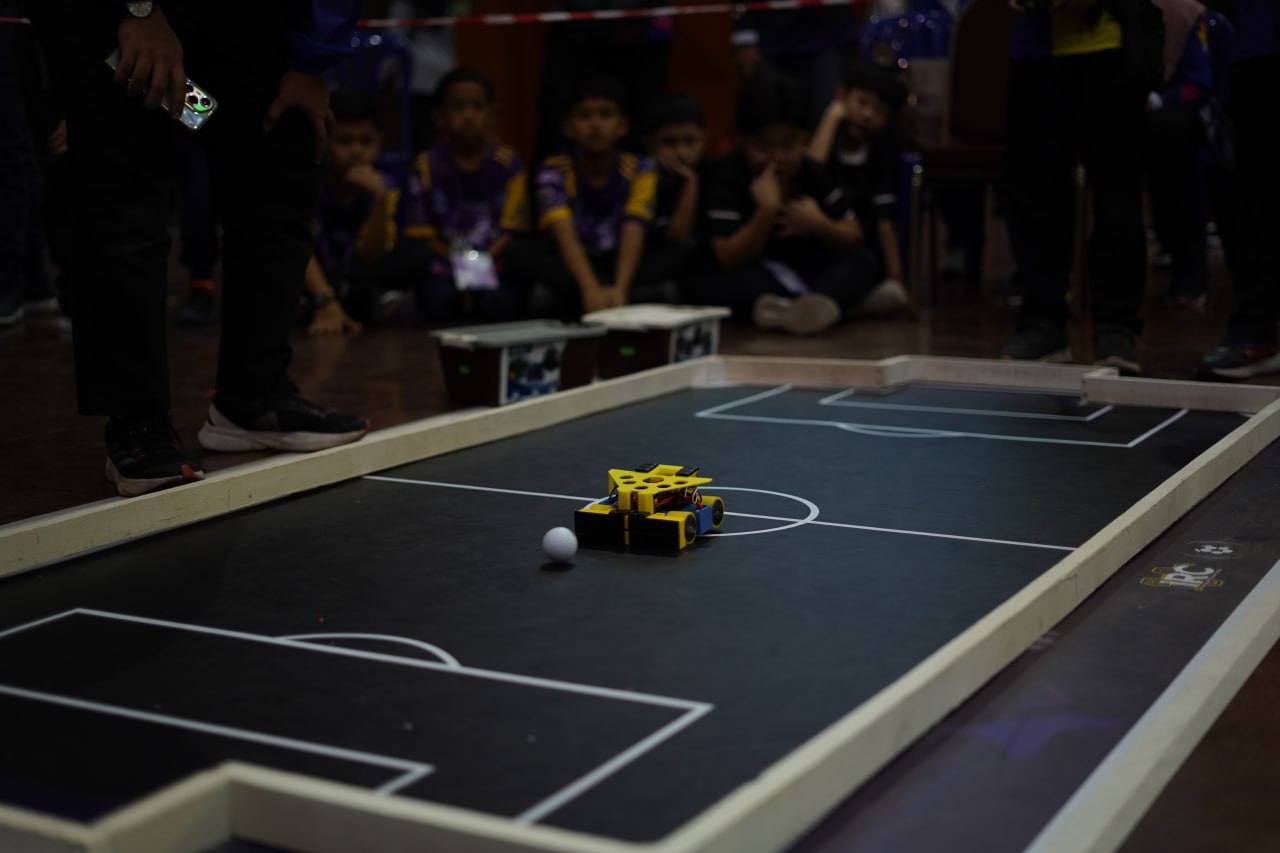
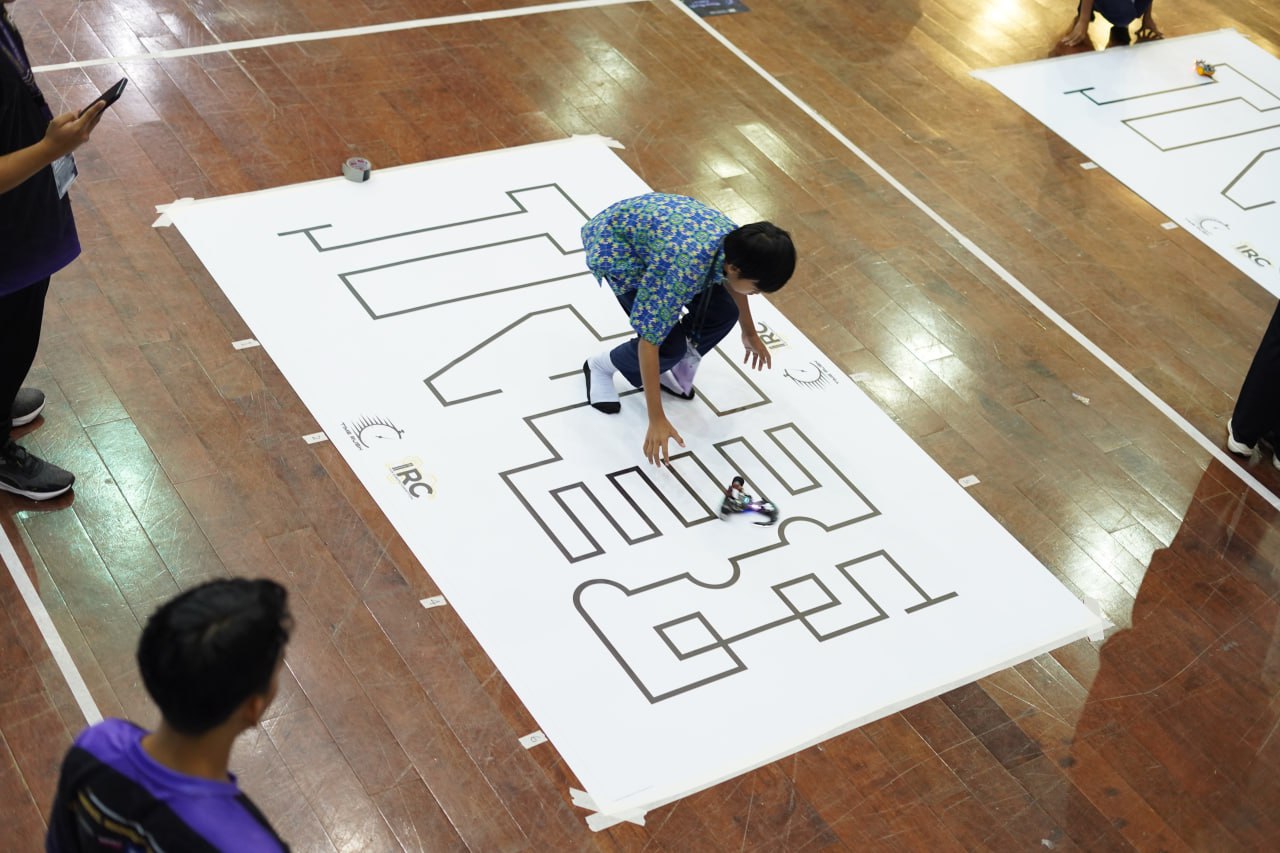
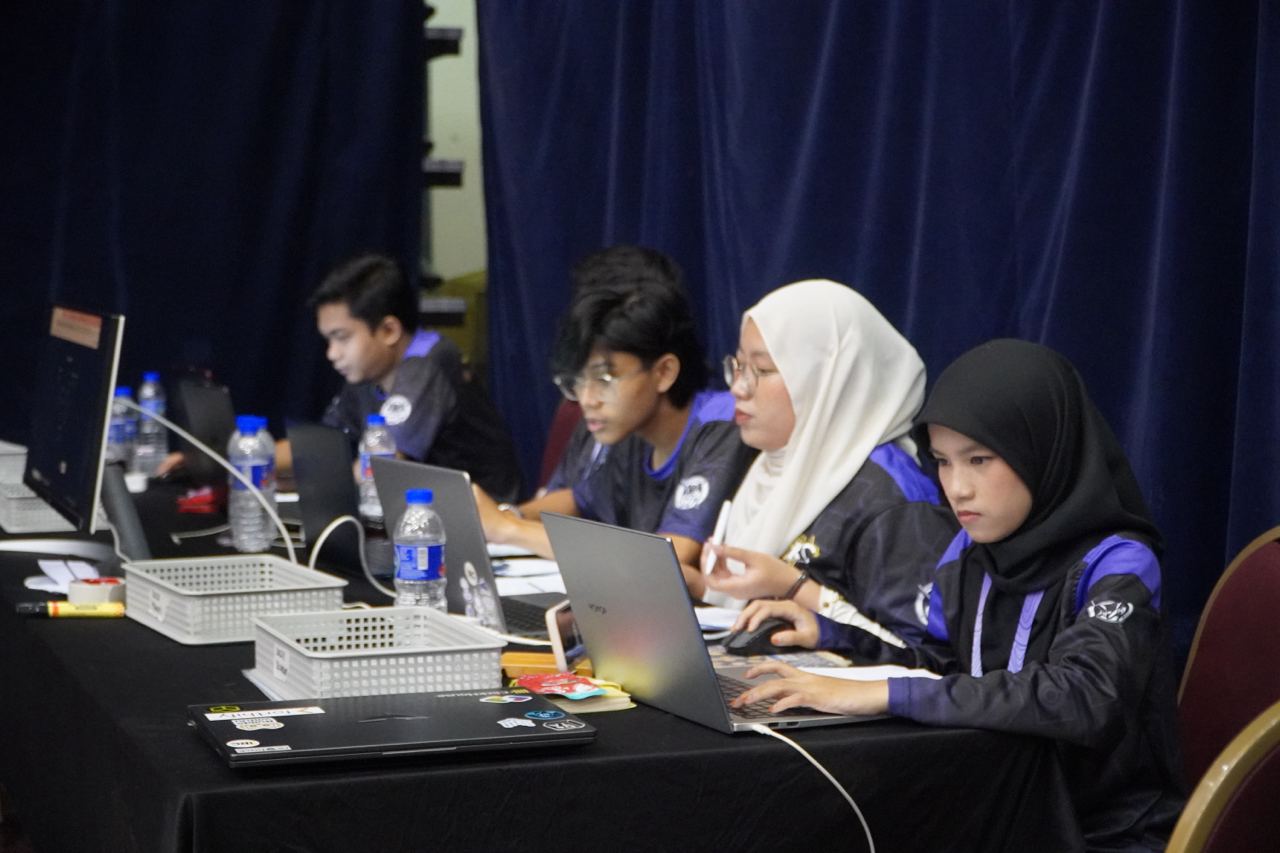
In July 2025, Tournamyx ran the IIUM Robotic Competition, the annual international robotics tournament at IIUM Gombak, where school teams from Malaysia and abroad compete in sumo, robot soccer, and time-rush events. That came to 406 teams across three categories and 755 matches, all scheduled and scored live, with every standing on one public link. If it holds up there, it will hold up at your Sunday futsal night.
Read how we did it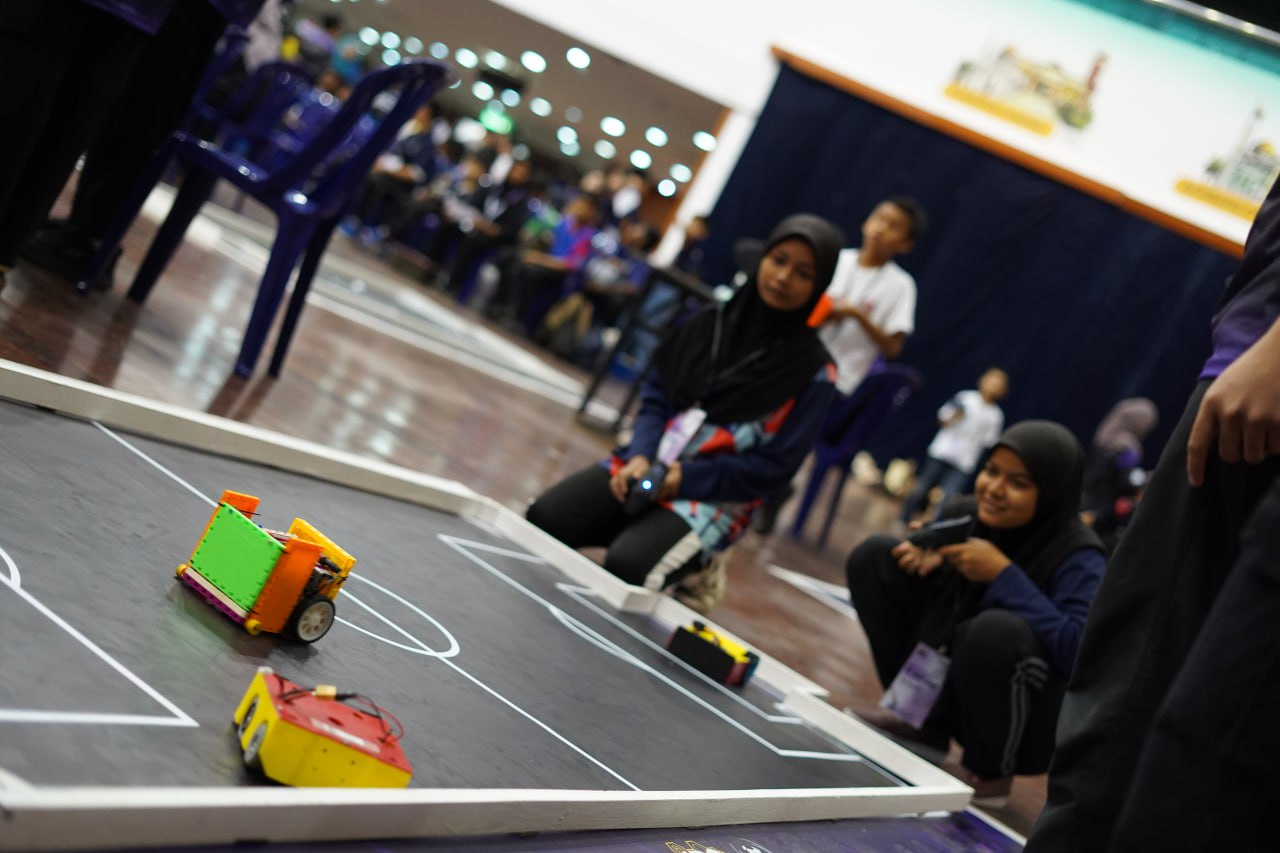
Kickoff
Enter the teams, let Tournamyx lay out the draw, and share one link that stays current for the rest of the day.
Free for up to 8 players · $12 per event beyond that · Nothing to install