Scheduling
From team list to full schedule in ten seconds.
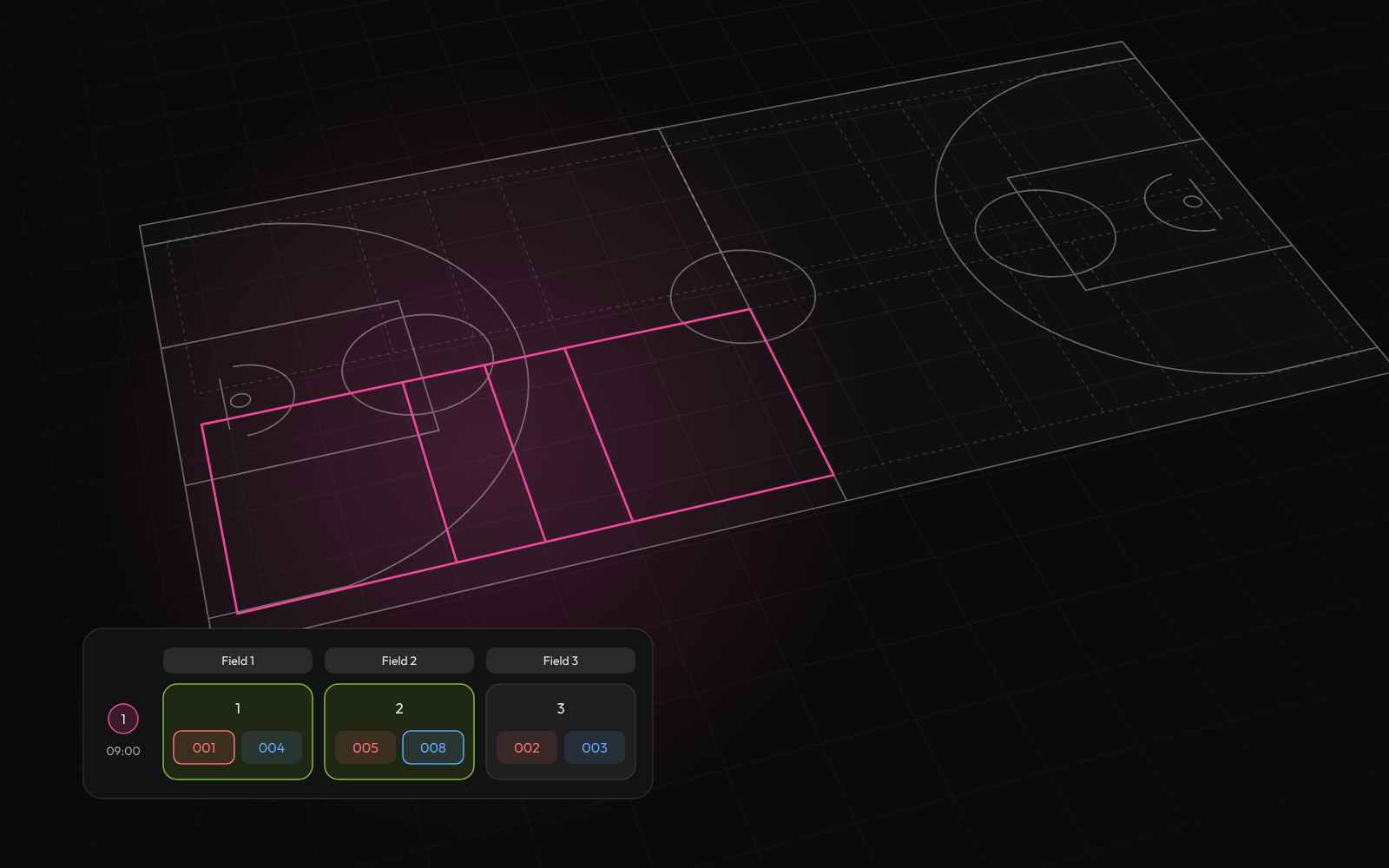
Enter your teams, groups and courts. Tournamyx lays every round out across them, so no court sits empty.
For university sport committees running inter-faculty events
Tournamyx handles the schedule, the live standings, and the public link your faculty WhatsApp groups can’t stop refreshing, so your committee runs the event instead of chasing it.
Free for up to 8 players · $9 per event beyond that · Nothing to install
If any of these sound familiar
We built Tournamyx for university sport committees in exactly this situation.
Field guide · university sport committees
University sport has a constraint that club sport does not: your players have timetables, and those timetables are not yours to move. Inter-faculty competitions therefore run in one of two shapes: a league spread over a semester in evening slots, or a single weekend where everything happens at once. The format that works for one is wrong for the other.
For eight faculties, a league round robin is 28 matches across 7 rounds. Spread over seven weeks that is four matches a week, which fits comfortably into two evening slots and gives every faculty a home-and-away feel without a double round robin’s 56 matches. Compress the same eight faculties into one weekend and groups into semi-finals is the better shape: 16 matches total, done in a day and a half.
Whichever you choose, publish the whole fixture list at the start. Faculty reps plan around it, and half your committee’s inbox disappears. The tournament schedule maker shows the shape of the output before you commit to a format.
8 faculties, four ways to run it
| Format | Matches | Rounds | Fits |
|---|---|---|---|
| Round robin league | 28 | 7 | A semester |
| Double round robin | 56 | 14 | A full year |
| 2 groups of 4 + semis | 16 | 5 | One weekend |
| Straight knockout | 7 | 3 | One afternoon |
The thing that breaks university sport is not the schedule. It is March, when the committee that learned how everything works graduates, and next year’s committee inherits a Google Drive folder with four files named “final”. The system resets to zero every twelve months, and the new secretary rebuilds the same spreadsheet from scratch.
Tournamyx keeps events under an organization rather than a person. Roles are assigned per tournament, so a scorer can enter results for their sport without being able to edit the draw, and last year’s competition stays readable as a record instead of a dead file. Handing over becomes adding the new committee to the organization, not exporting and re-explaining.
It also solves the smaller version of the same problem during the event: you can hand scoring for the badminton hall to whoever is standing in it, without giving them the keys to the entire competition.
Inter-faculty sport is followed far more closely than the entry numbers suggest, because the audience is not the players. It is every faculty group chat arguing about the standings. If the table lives in a spreadsheet only the committee can edit, you become the bottleneck for a question hundreds of people are asking simultaneously.
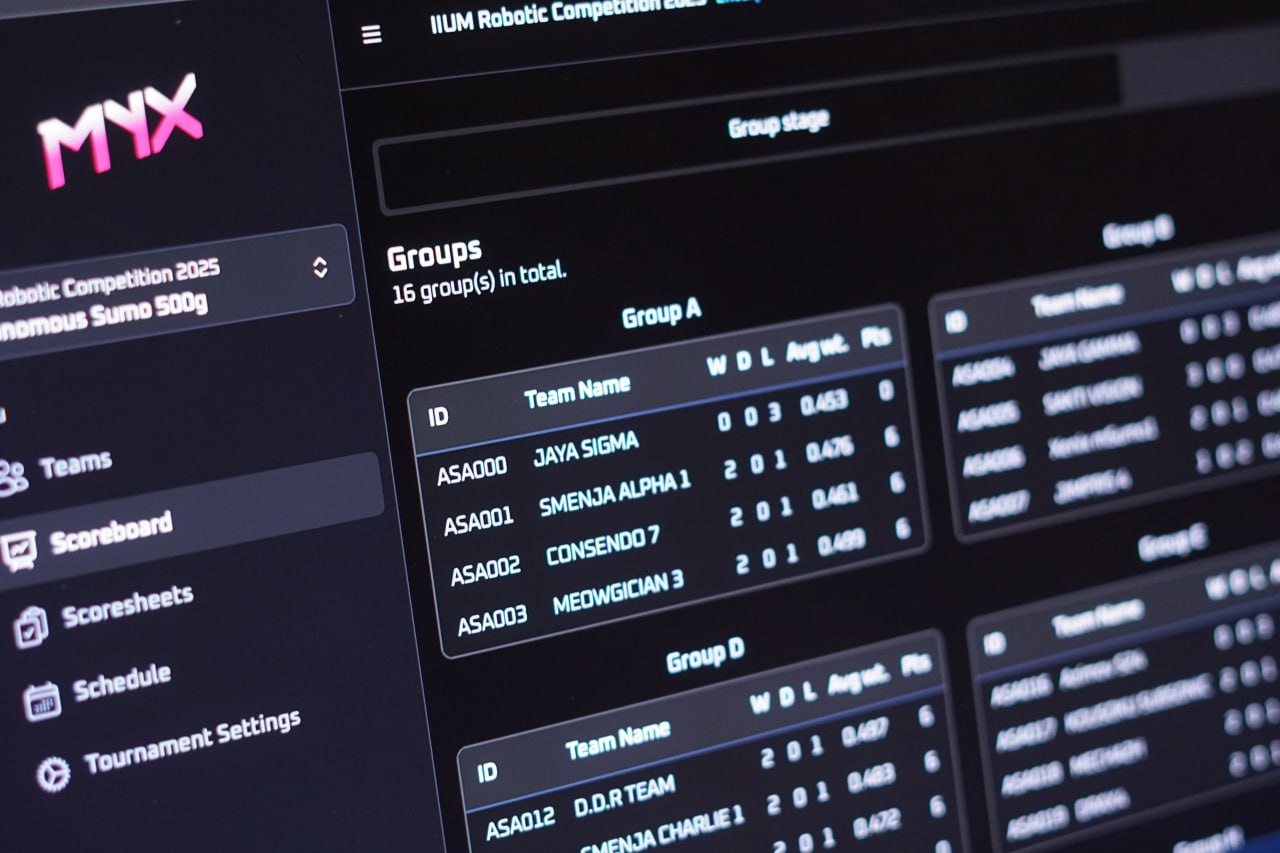
A public link takes you out of the middle. Results entered courtside appear on the table immediately, and the argument moves from “what is the score” to the score itself, which is where it belongs. Tournamyx was built to this standard at the 406-team IIUM Robotic Competition, where 755 matches were scored live on a single public link.
Questions
Tournamyx generates the schedule a round at a time across the courts or pitches you enter, and rounds can be spread across as many days or evenings as the semester needs. Scores stay live between sessions and the public link never changes, so faculty reps check the same address in week one and week six.
Eight faculties playing a full round robin is 28 matches over 7 rounds, which is a semester-length league rather than a single day. A straight knockout is 7 matches but eliminates half the faculties immediately. Tournamyx generates both, plus a group stage into knockout if you want guaranteed games and a final worth watching.
Tournamyx supports organizations with owner, admin and member roles, so a committee is a set of accounts rather than one person's laptop. Incoming officers get access to the same tournaments, and past events keep their public results pages, so the fixture history does not leave with whoever graduated.
Tournamyx is free for tournaments of up to 8 participants with unlimited tournaments, which covers most single-sport inter-faculty draws. Plus at $19 per month raises the cap to 64 and adds 5 team seats for a committee, and a one-off $9 unlocks a single event for 30 days at 64 participants.
The comparison
Every match day brings the same questions. Answer them one message at a time, or send one link that answers them for you.
What it handles
Tournament management software earns its keep on match day, at the moments most events fall apart.
Scheduling
Enter your teams, groups and courts. Tournamyx lays every round out across them, so no court sits empty.
Formats
From round robins to timed attempts, and multi-stage events that chain a group stage into a knockout.
Changes
Drag them out, drop a replacement in. The bracket and the public link adjust on their own.
Scoring
Standings recalculate and the bracket advances on every save, before the teams have walked off the court.
Collaboration
Invite co-scorekeepers and divide the venue between you. Every score lands in the same live standings.
Case study · IIUMRC, Jul 2025
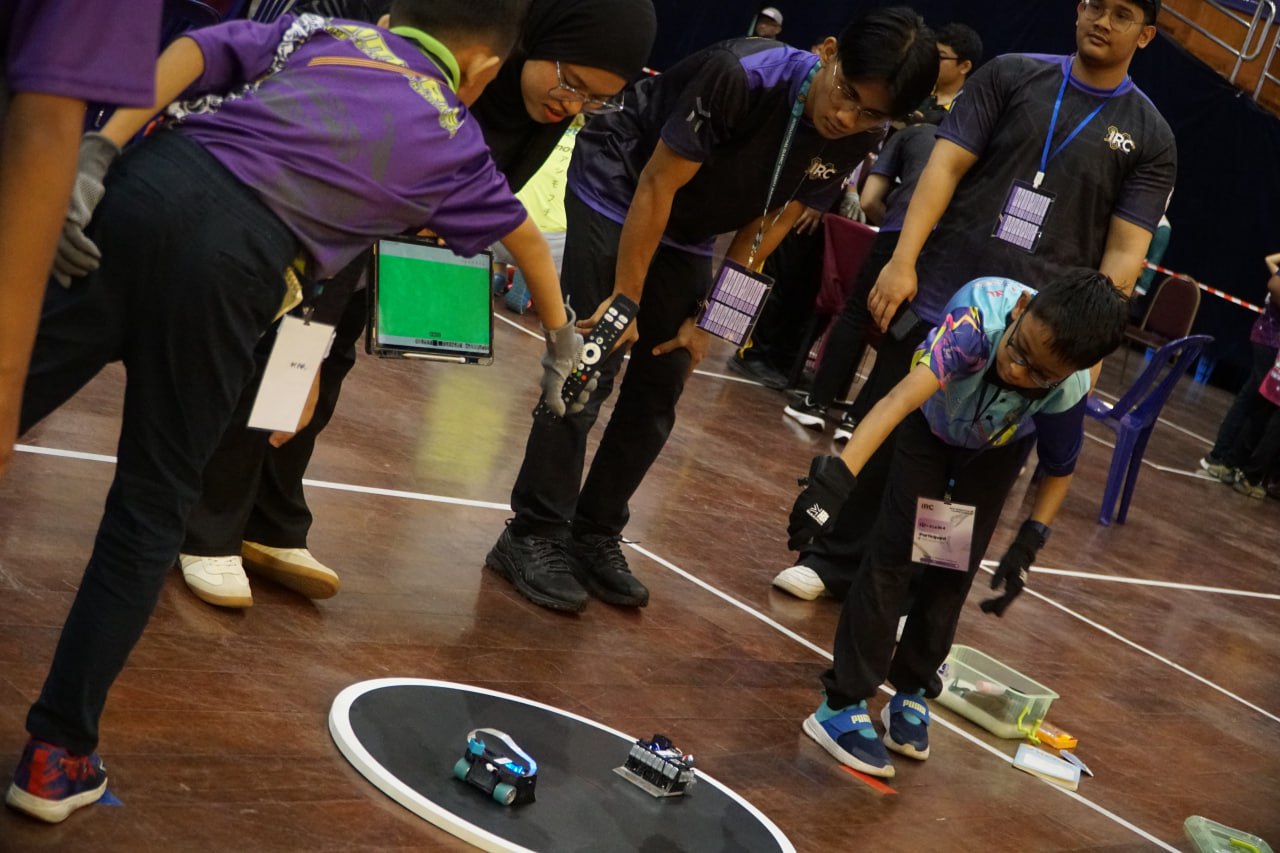
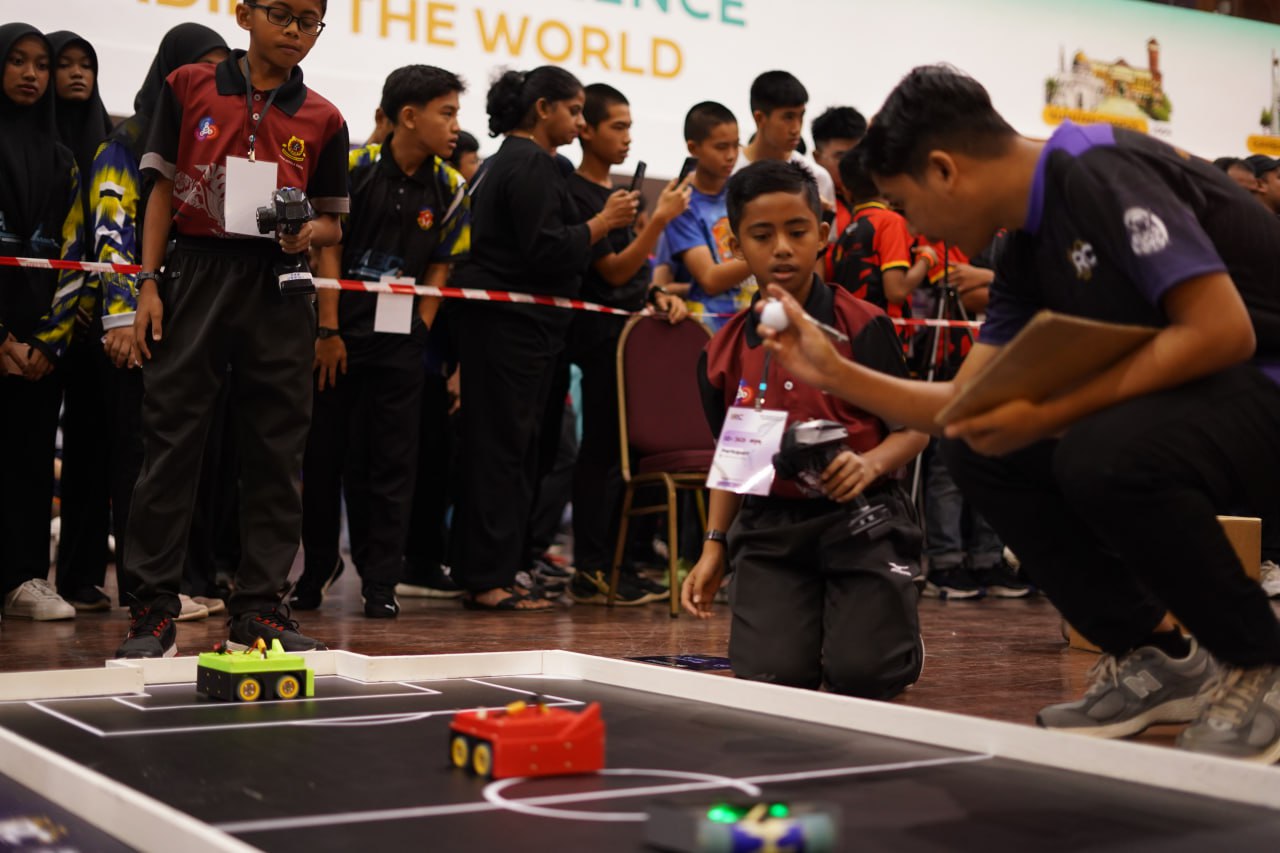
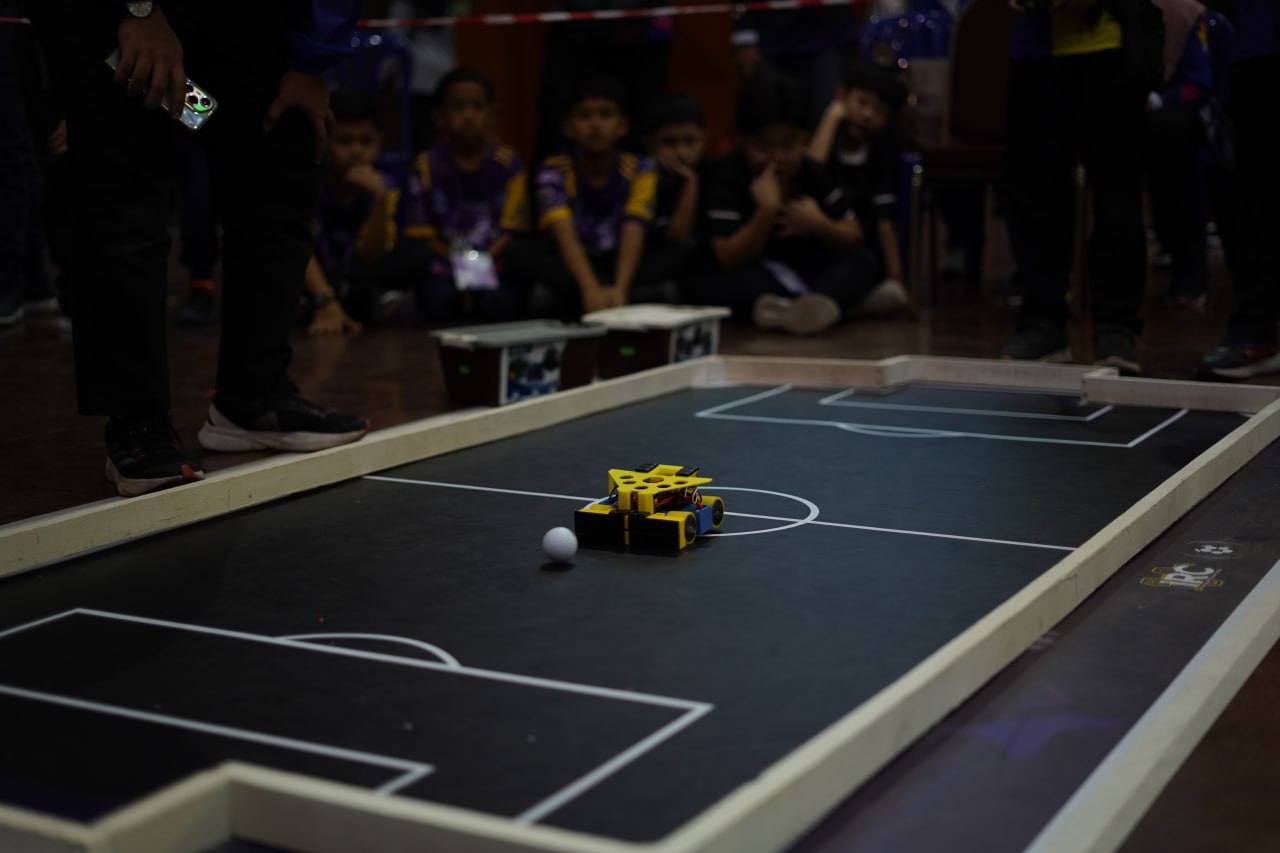
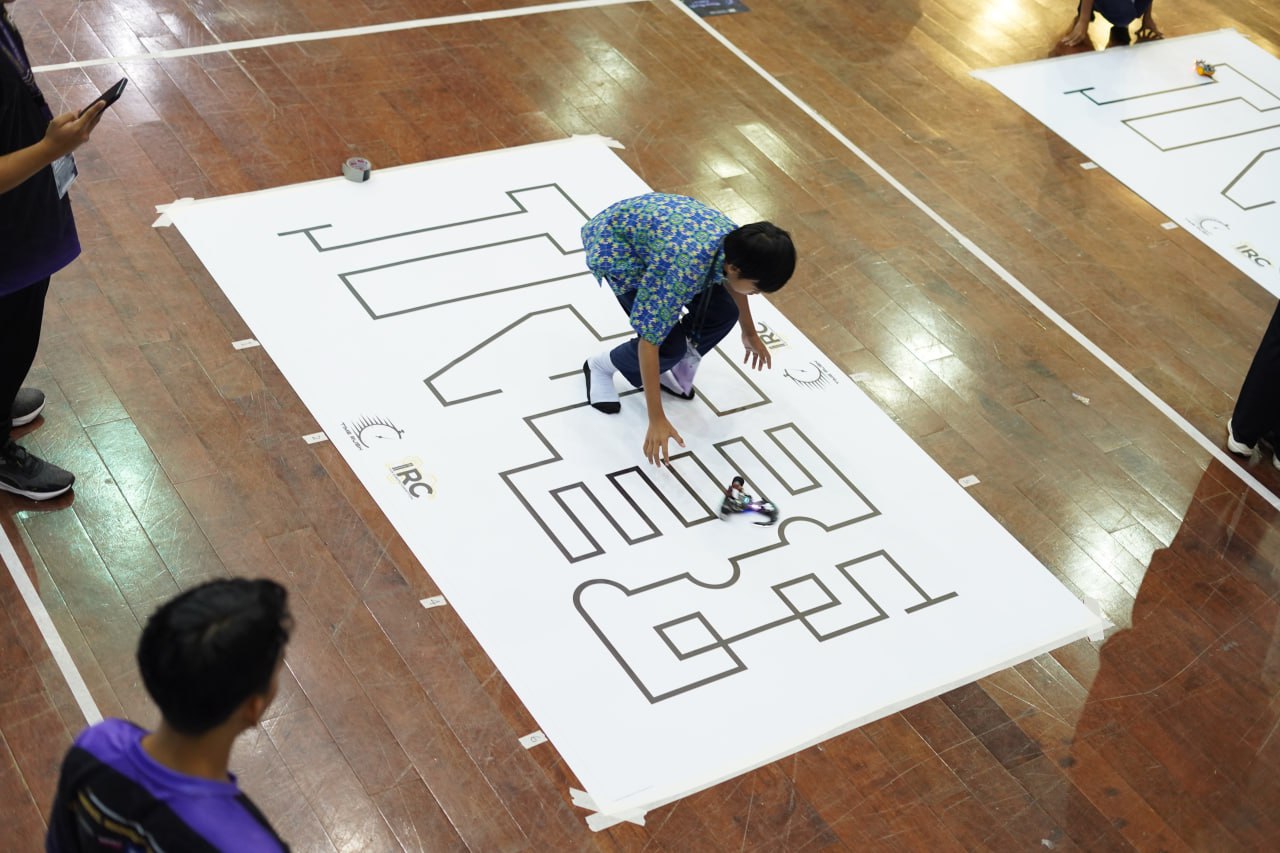
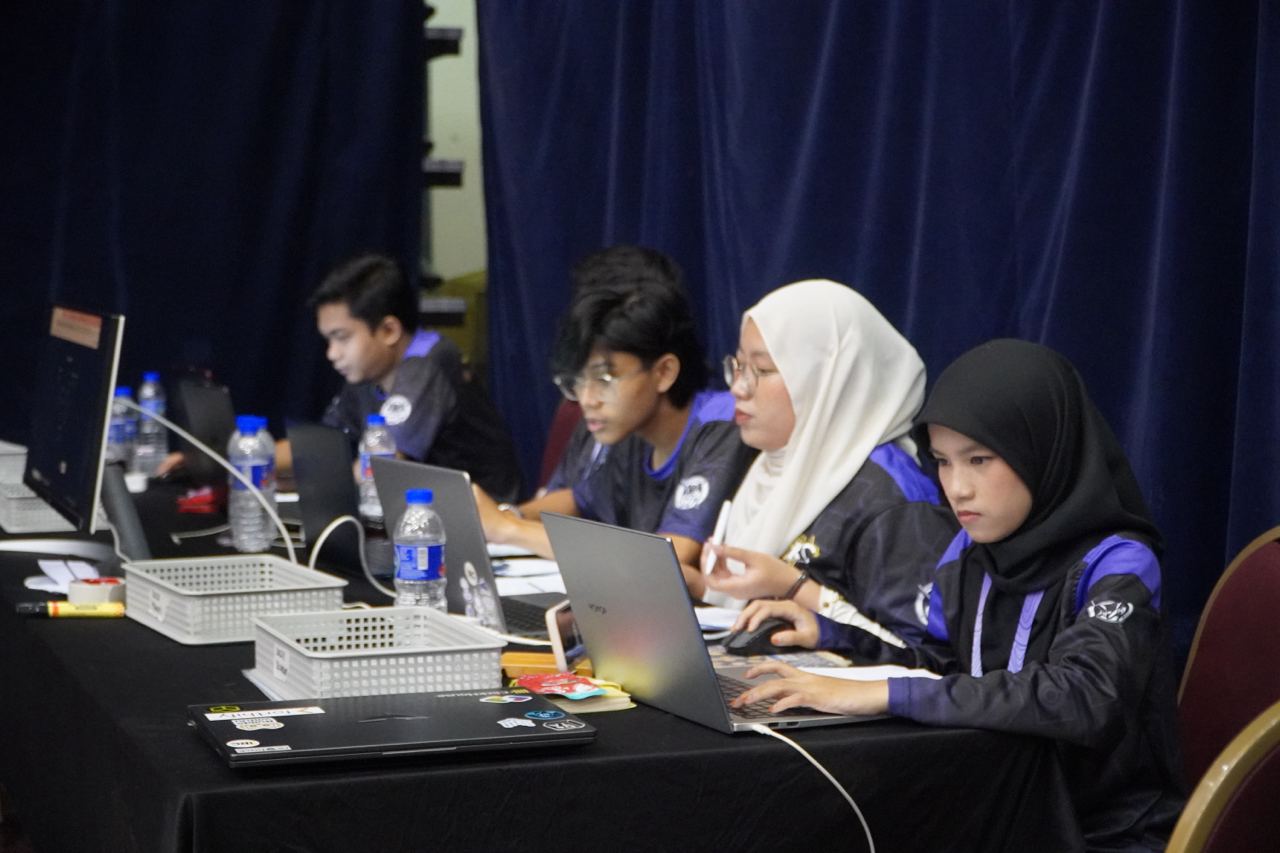
In July 2025, Tournamyx ran the IIUM Robotic Competition, the annual international robotics tournament at IIUM Gombak, where school teams from Malaysia and abroad compete in sumo, robot soccer, and time-rush events. That came to 406 teams across three categories and 755 matches, all scheduled and scored live, with every standing on one public link. If it holds up there, it will hold up at your Sunday futsal night.
Read how we did it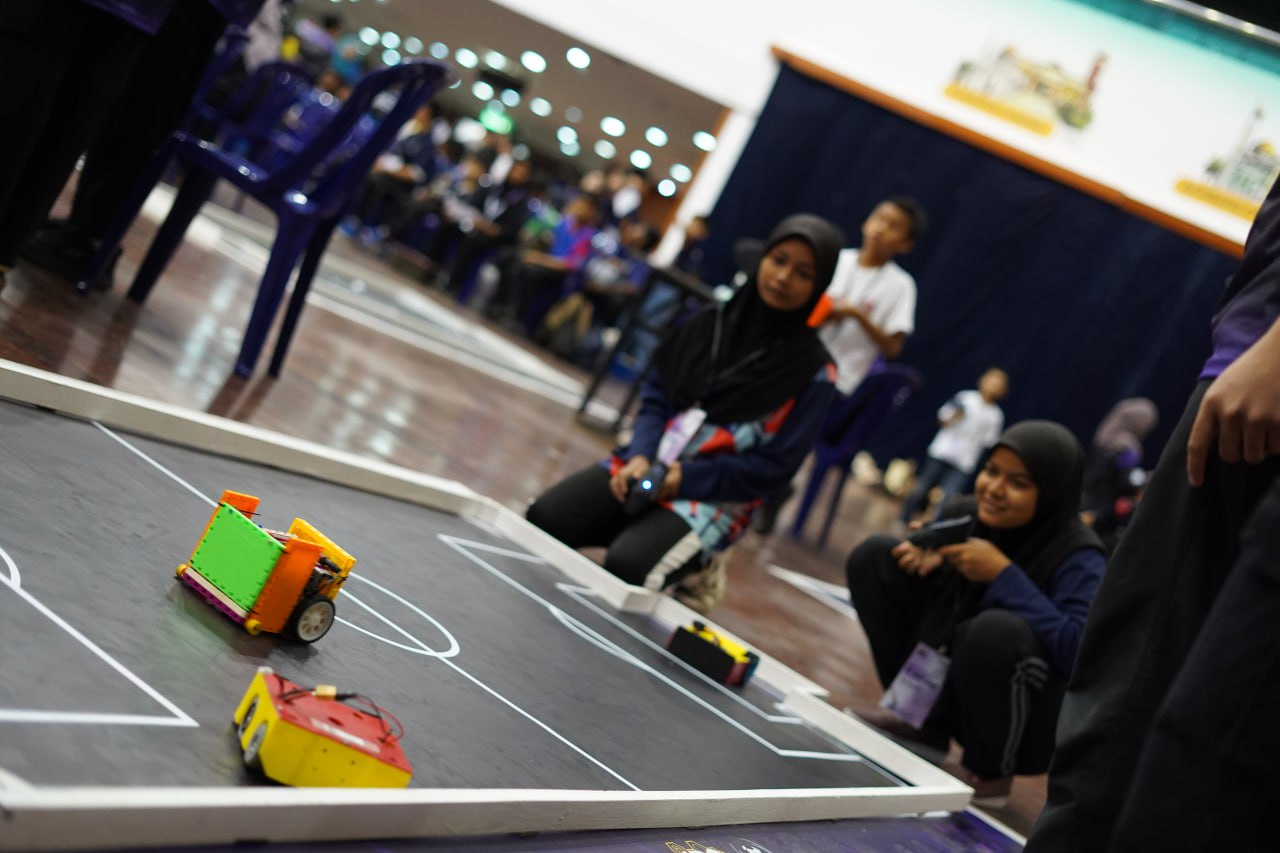
Kickoff
Enter the teams, let Tournamyx lay out the draw, and share one link that stays current for the rest of the day.
Free for up to 8 players · $9 per event beyond that · Nothing to install