Scheduling
From team list to full schedule in ten seconds.
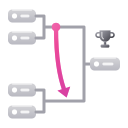
Enter your teams, groups and courts. Tournamyx lays every round out across them, so no court sits empty.
For badminton organizers juggling singles, doubles, and mixed all in one day
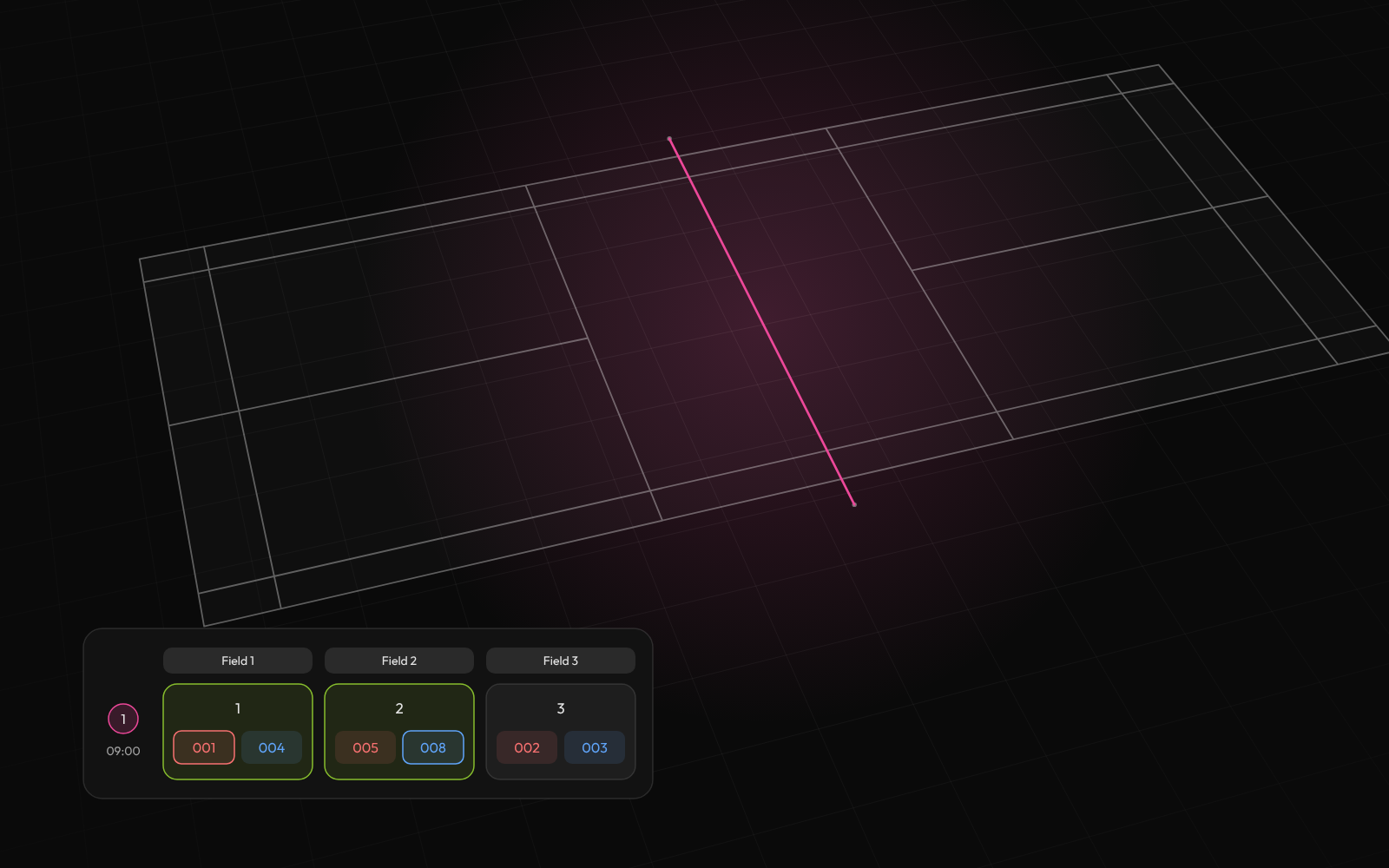
Tournamyx lays the fixtures out across your actual court count, keeps singles, doubles and mixed each on their own live schedule, and gives every player one link to check when they’re on.
Free for up to 8 players · $9 per event beyond that · Nothing to install
If any of these sound familiar
We built Tournamyx for badminton organizers in exactly this situation.
Field guide · badminton organizers
A badminton tournament is a court-hours problem before it is anything else. A best-of-three rally-scoring match plus knock-up and changeover occupies a court for roughly 30 minutes, so each court clears two matches an hour and an eight-hour day gives you sixteen per court. Everything else follows from that one number.
Run it forwards and the entry cap answers itself. A 32-player singles draw played as straight knockout is 31 matches. Three such categories, men’s singles, men’s doubles and mixed, is 93 matches, which needs six courts to finish inside a day and simply does not fit on four. Either you add courts, cut a category, or shrink the draws.
Organizers usually discover this at 4pm with two rounds left to play. Doing the arithmetic in advance is the whole job, and it is why the tournament schedule maker starts from your court count rather than from your entry list.
Match capacity at 30-minute slots over an 8-hour day
| Courts | Matches per hour | Matches per day | Supports |
|---|---|---|---|
| 2 | 4 | 32 | One 32-draw category |
| 4 | 8 | 64 | Two categories |
| 6 | 12 | 96 | Three categories |
| 8 | 16 | 128 | Three draws plus a plate |
Badminton’s scheduling problem is not shared with most sports: the same person legitimately appears in three draws. A club player might enter men’s singles, men’s doubles and mixed doubles, which means three separate brackets each independently think they can call that player to a court at 11:20.
Generate the three draws separately and you will produce clashes, not occasionally but systematically, because nothing in either bracket knows the other exists. Worth being plain about this: each category is its own tournament in Tournamyx, and the scheduler works inside one tournament at a time. It will not spot that your mixed semi-finalist is also due on court three in the singles. Sequencing the categories against each other is still your call, and the court table above is the tool for it.
The knock-on effect is idle courts. When a clash forces a match to wait, the court it was assigned to sits empty unless something else can be pulled forward, which is exactly the kind of shuffle nobody can do by hand while also running the desk.
Straight knockout sends half your entries home after one match. For a club open where people have paid an entry fee and travelled, that is a bad afternoon and a worse renewal rate. A plate, which is a second draw for first-round losers, roughly doubles the guaranteed play for a 32-draw at the cost of about fifteen extra matches.
Whether that fits comes back to the court table above: on eight courts it does, on four it does not. The alternative for smaller fields is group play, where boxes of four guarantee three matches each before a knockout stage, which is why club-level events with under twenty entries usually run round robin groups rather than a bracket.
For a full walkthrough of entry, categories and match-day running order, see the badminton tournament organizing guide.
Questions
At 30-minute slots over an eight-hour day, one badminton court gets through 16 matches, so four courts is 64 and six courts is 96. Tournamyx lays the draw across the court count you enter a round at a time, which is what turns that capacity figure into an actual order of play.
Tournamyx schedules each category as its own tournament, so it will not detect that the same player is due on two courts at once. Order the rounds so a player's categories do not collide, or stagger the category start times. The arithmetic is yours; the schedule generation and live scoring are not.
Tournamyx runs double elimination at 4, 8, 16, 32 or 64 entrants, which gives every player a second life through a losers bracket rather than sending them home after one match. For a separate plate, run it as its own tournament under the same event so both publish on one public link.
Yes. Tournamyx is free for draws of up to 8 players per tournament with unlimited tournaments and no credit card, which covers most club nights. Above that, Plus is $19 per month for 64 players and a one-off $9 unlocks a single event for 30 days.
The comparison
Every match day brings the same questions. Answer them one message at a time, or send one link that answers them for you.
What it handles
Tournament management software earns its keep on match day, at the moments most events fall apart.
Scheduling
Enter your teams, groups and courts. Tournamyx lays every round out across them, so no court sits empty.
Formats
From round robins to timed attempts, and multi-stage events that chain a group stage into a knockout.
Changes
Drag them out, drop a replacement in. The bracket and the public link adjust on their own.
Scoring
Standings recalculate and the bracket advances on every save, before the teams have walked off the court.
Collaboration
Invite co-scorekeepers and divide the venue between you. Every score lands in the same live standings.
Case study · IIUMRC, Jul 2025
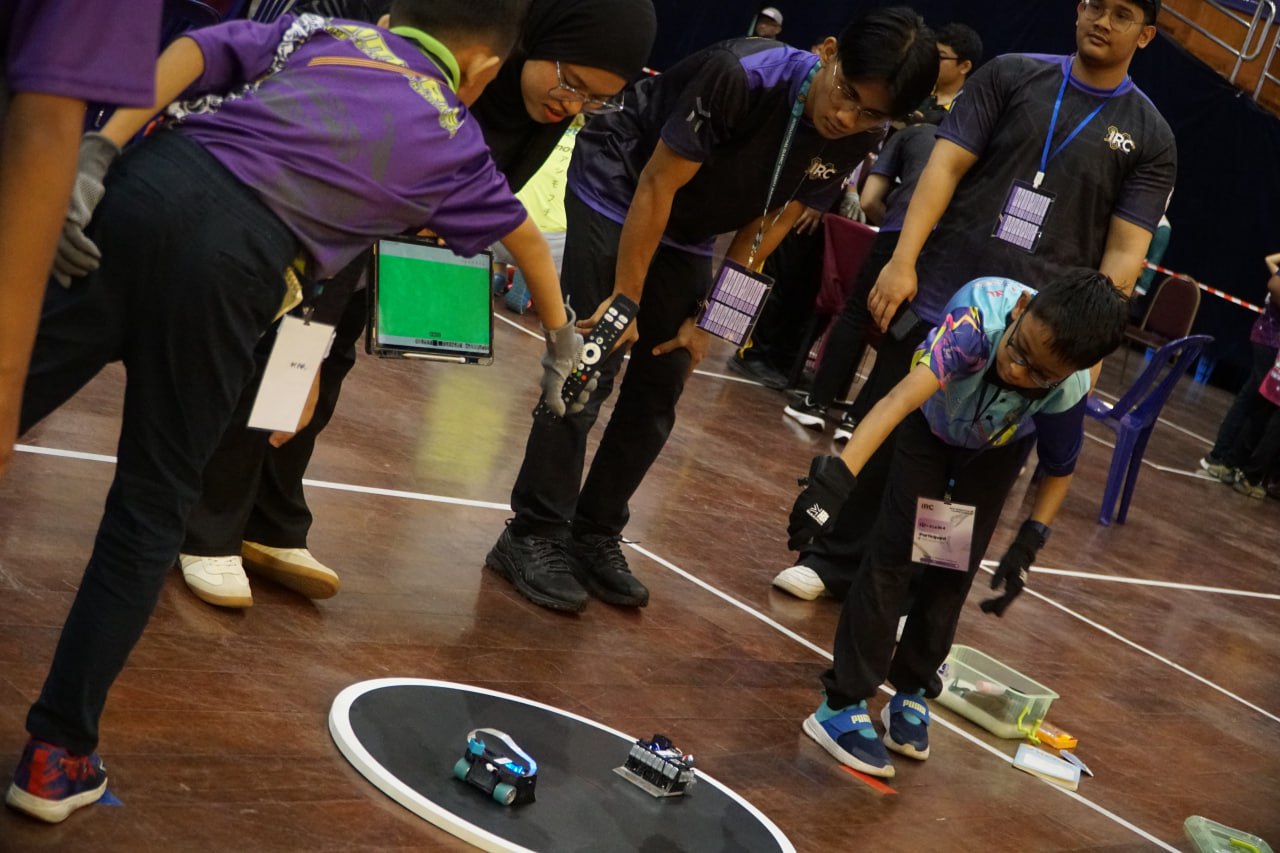
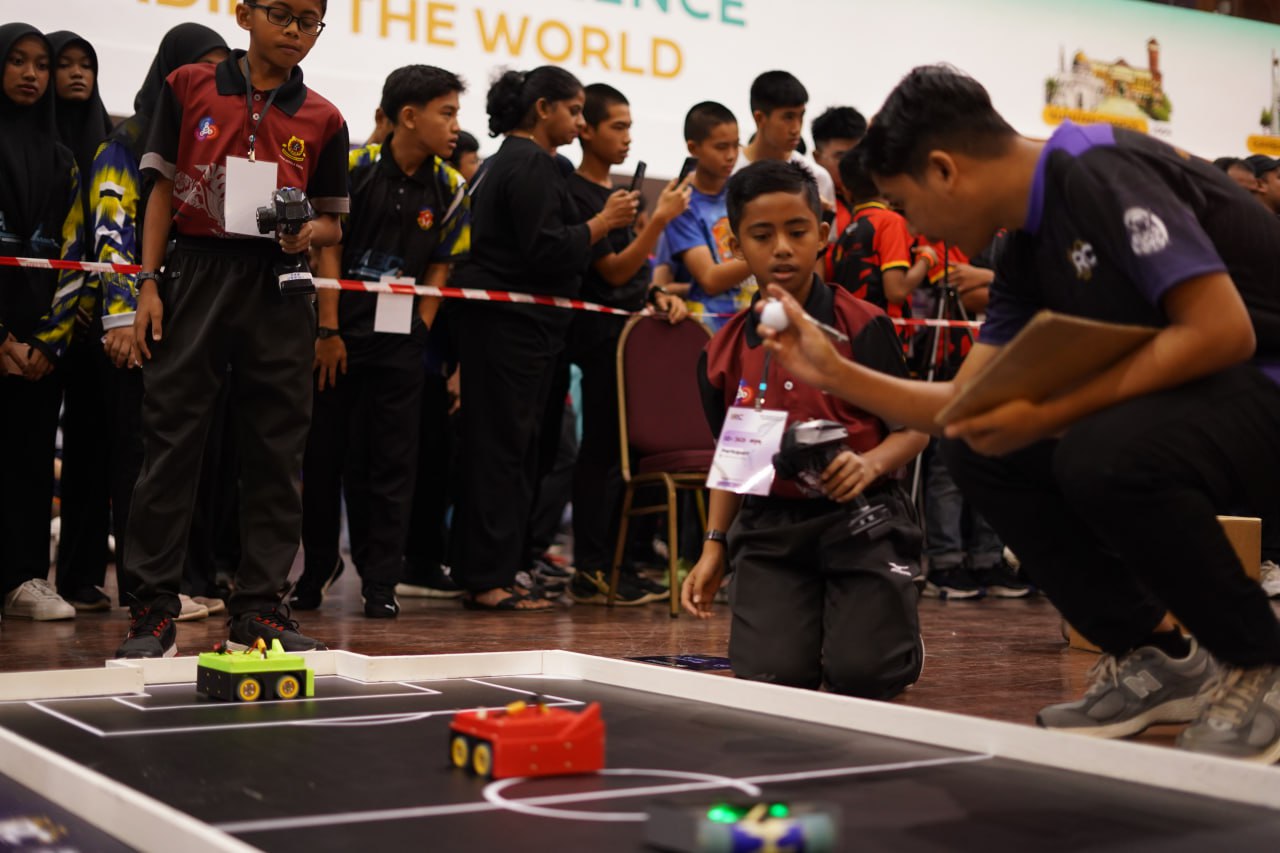
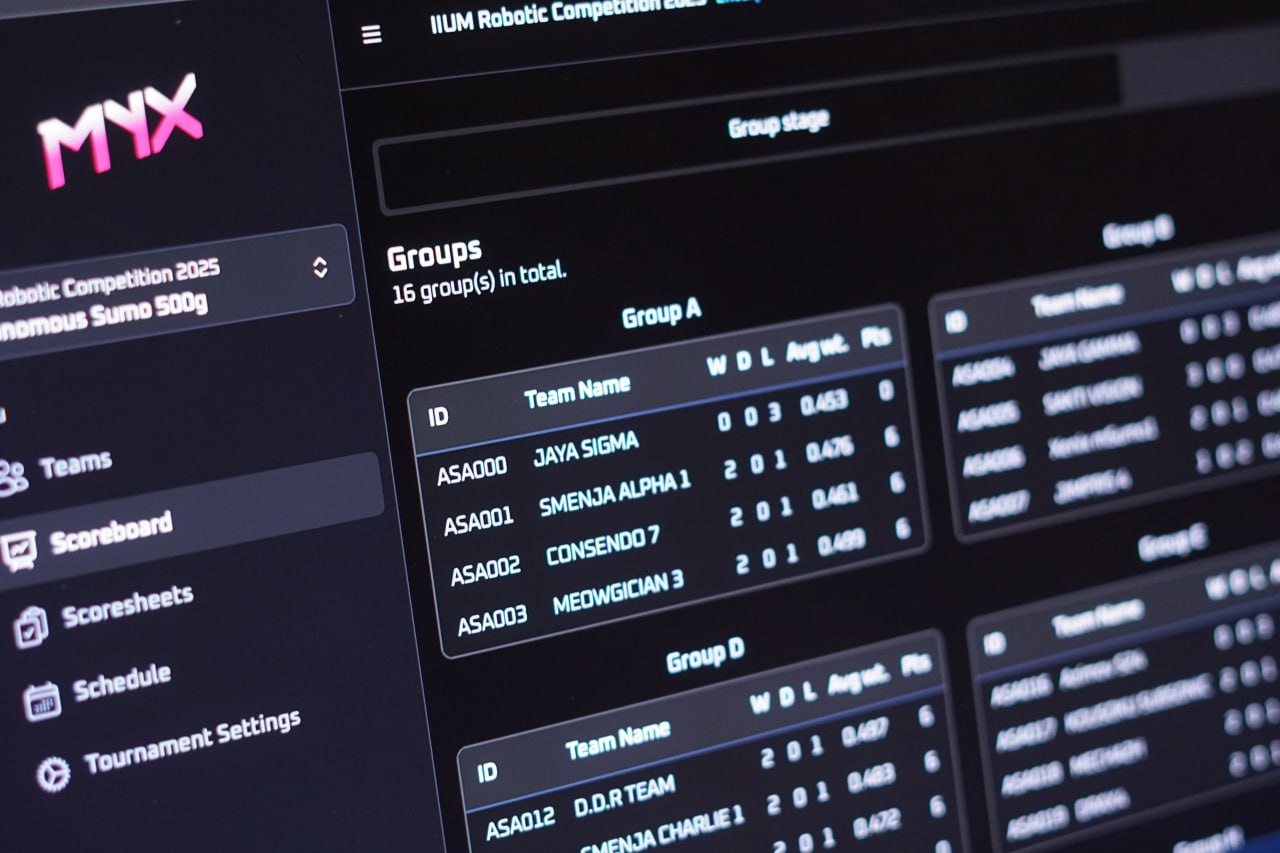
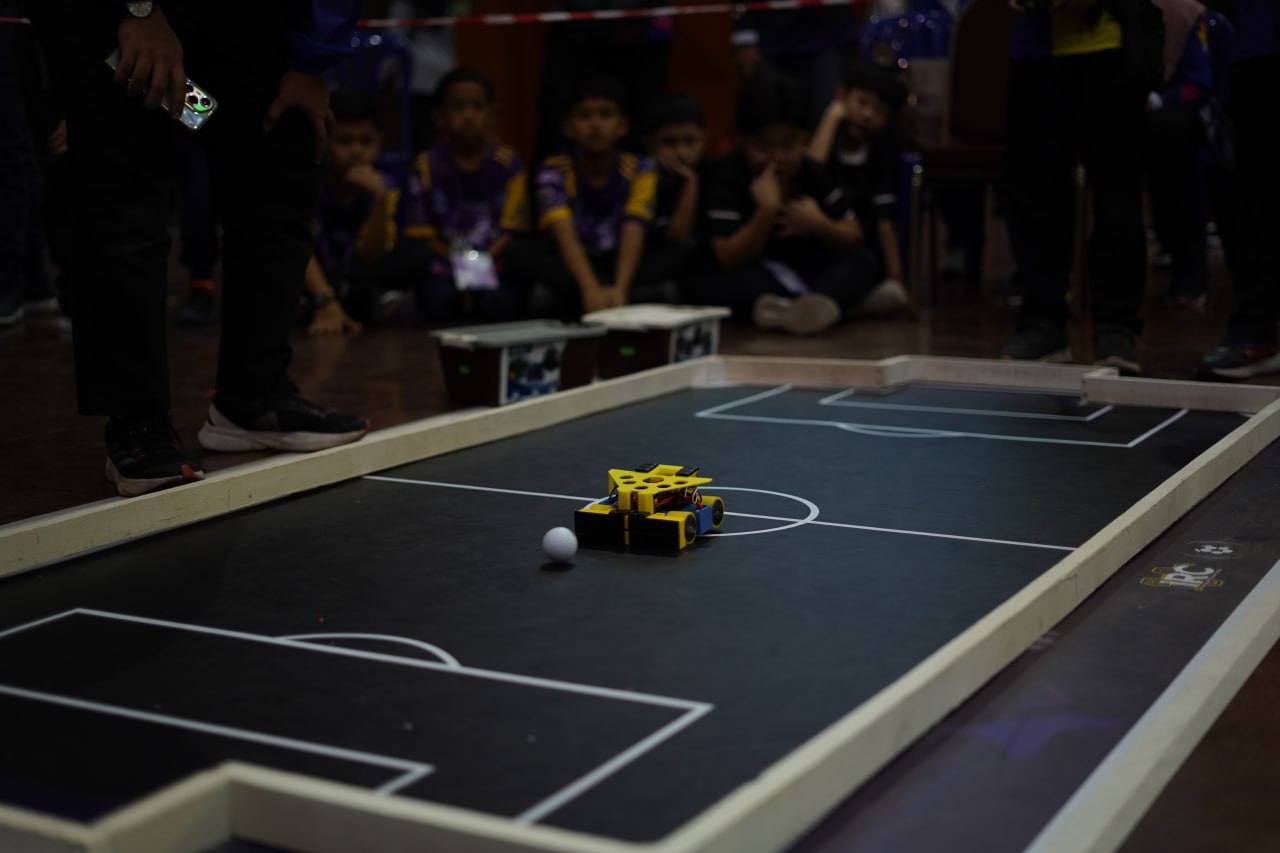
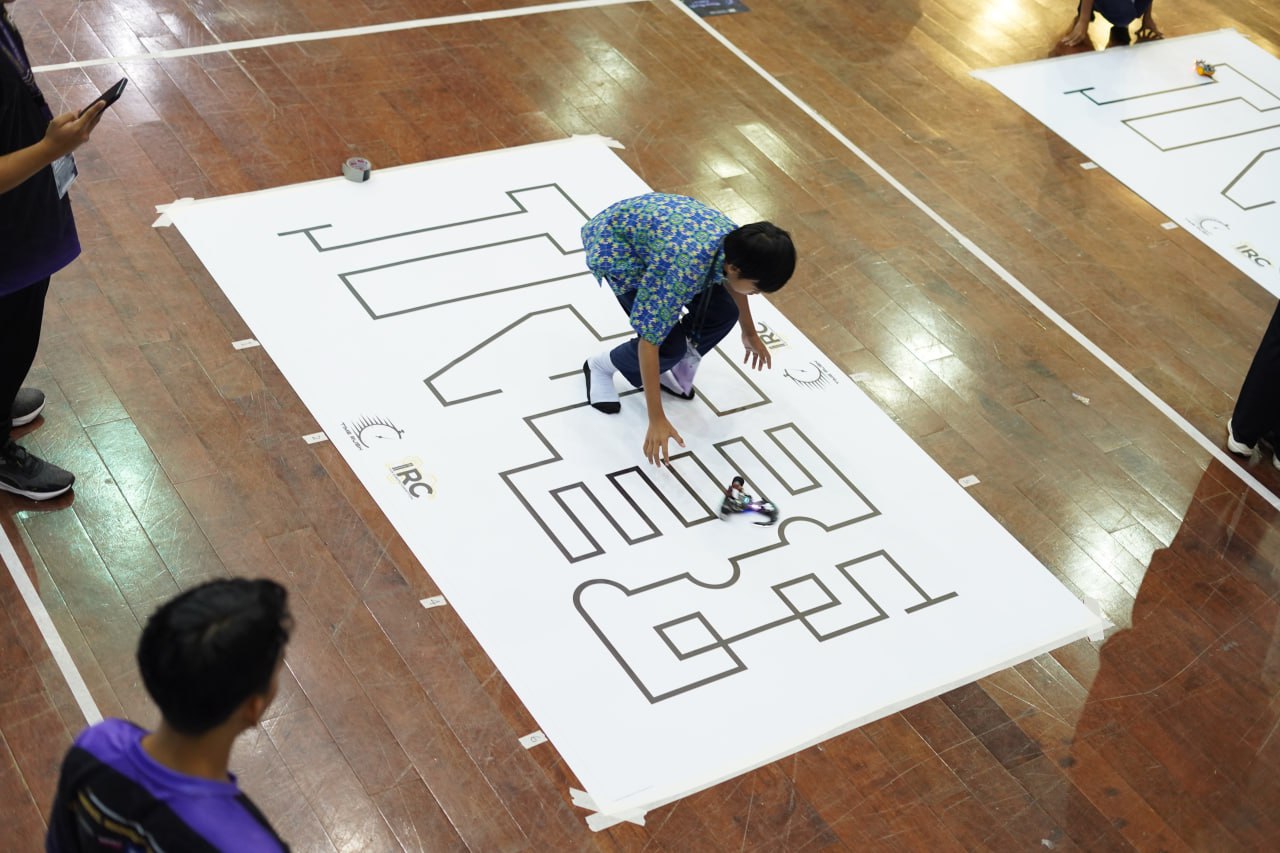
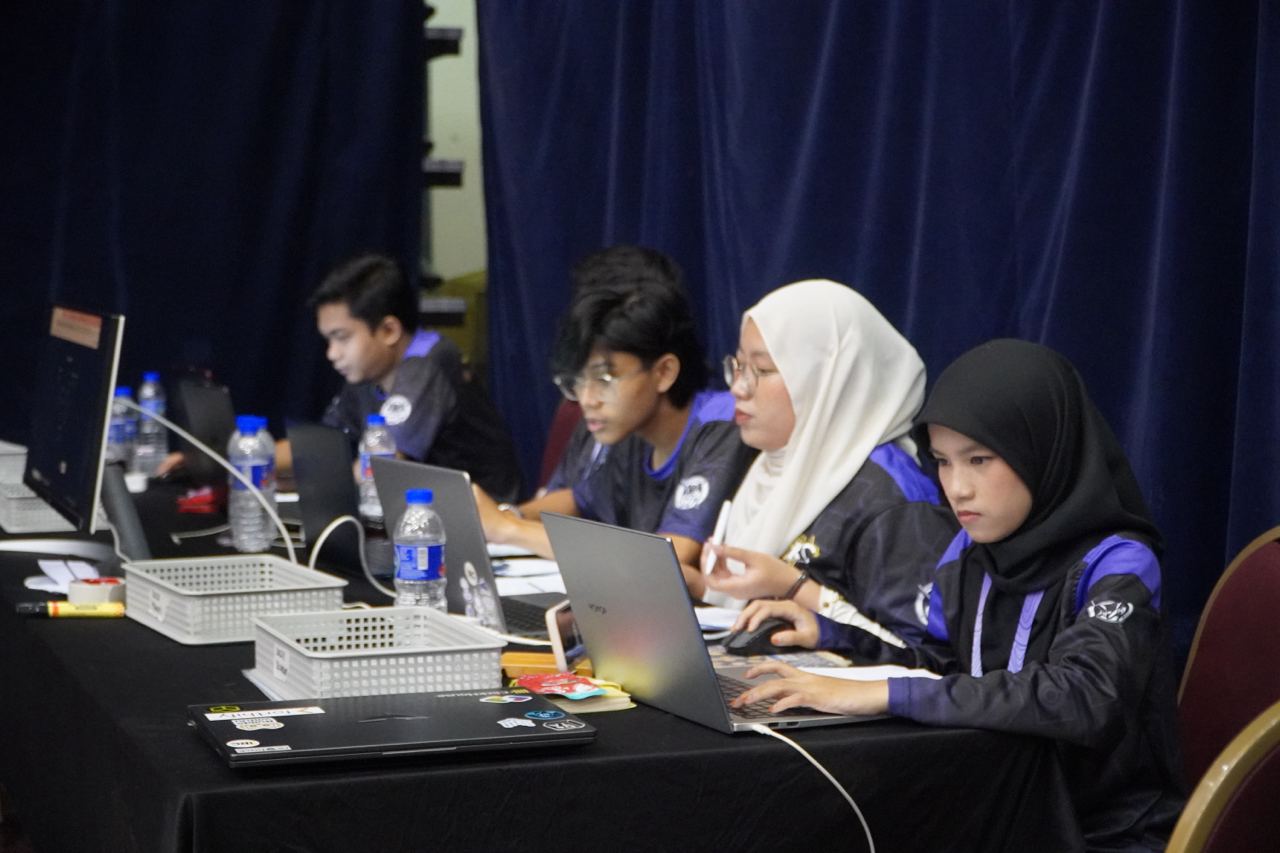
In July 2025, Tournamyx ran the IIUM Robotic Competition, the annual international robotics tournament at IIUM Gombak, where school teams from Malaysia and abroad compete in sumo, robot soccer, and time-rush events. That came to 406 teams across three categories and 755 matches, all scheduled and scored live, with every standing on one public link. If it holds up there, it will hold up at your Sunday futsal night.
Read how we did it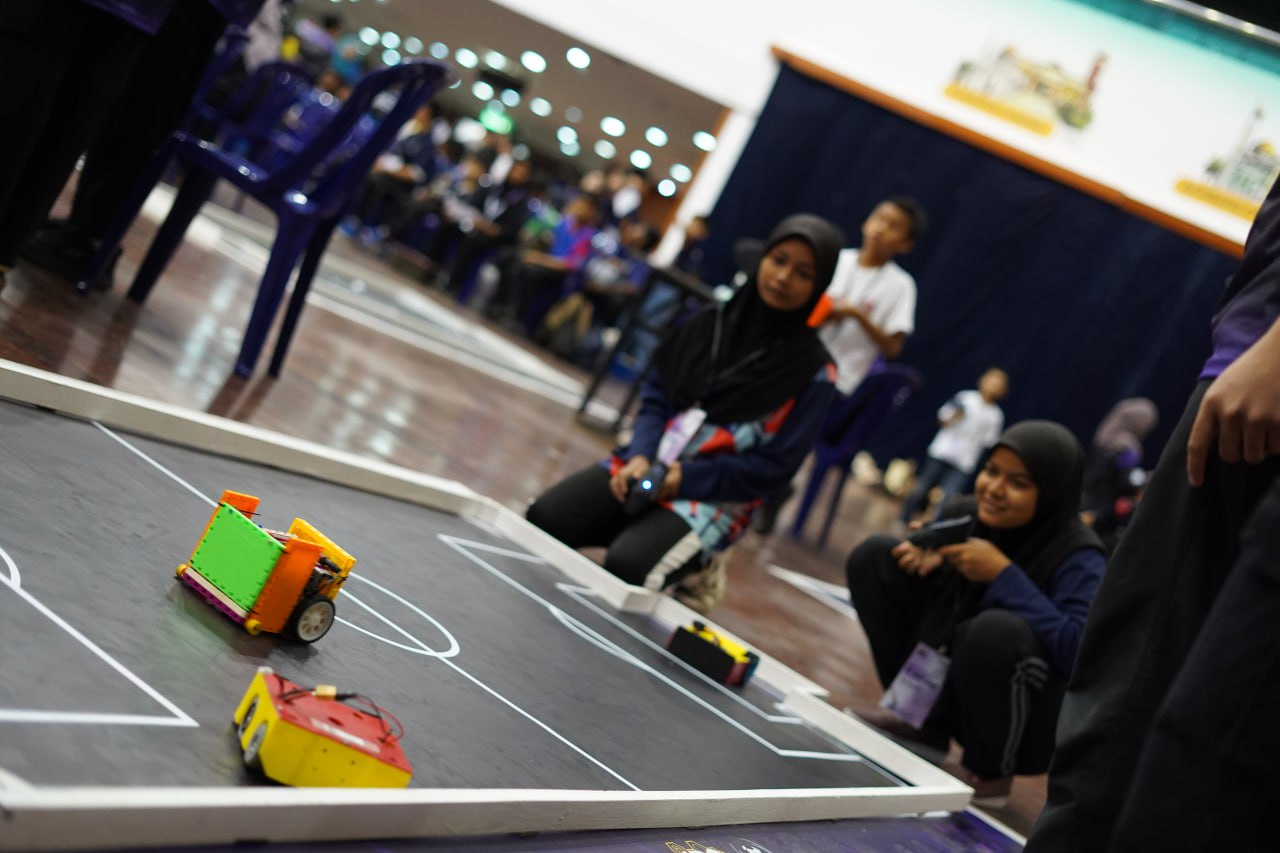
Kickoff
Enter the teams, let Tournamyx lay out the draw, and share one link that stays current for the rest of the day.
Free for up to 8 players · $9 per event beyond that · Nothing to install