Scheduling
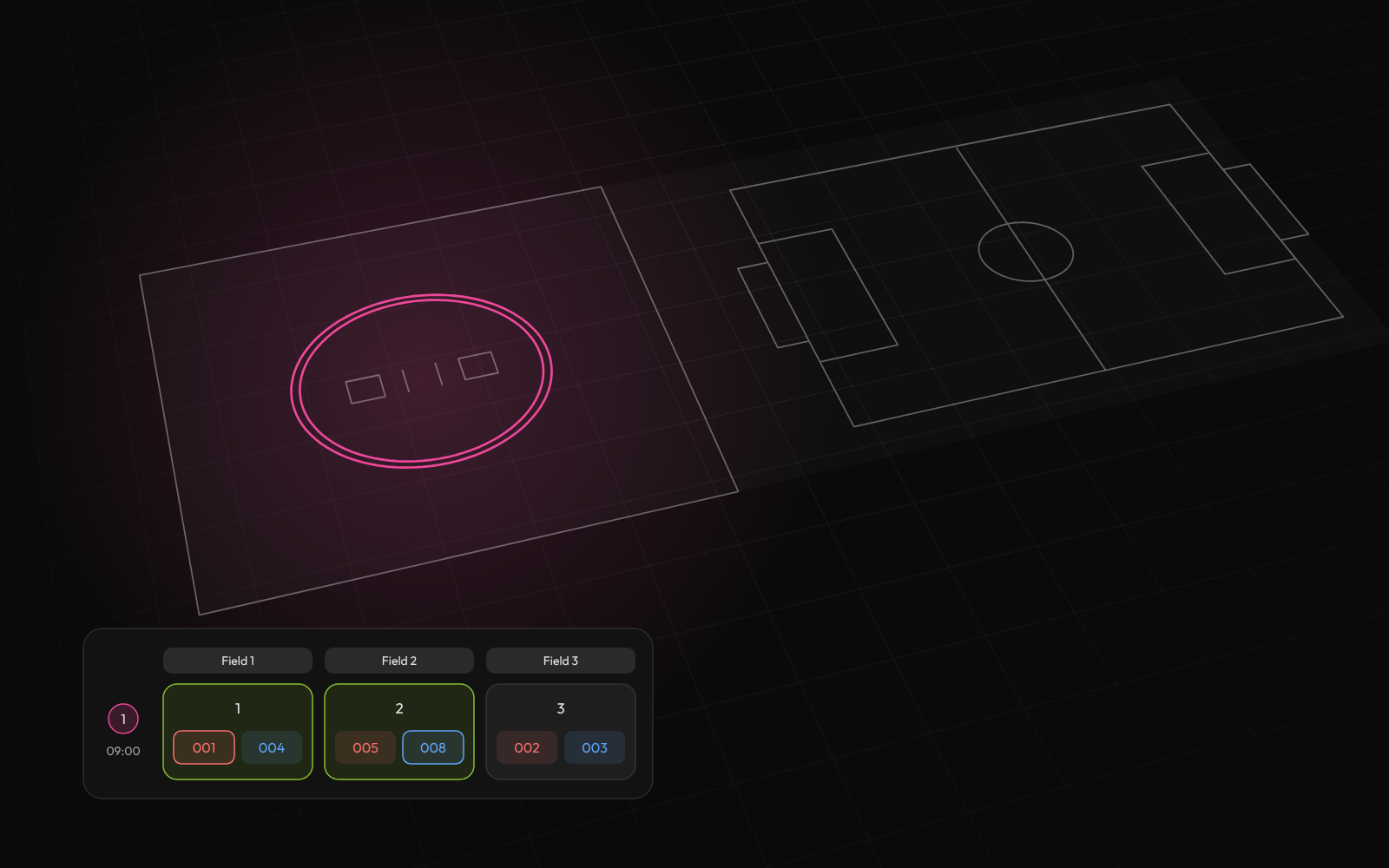
From team list to full schedule in ten seconds.
Enter your teams, groups and courts. Tournamyx lays every round out across them, so no court sits empty.
For robotics and STEM organizers scoring hundreds of runs against the clock
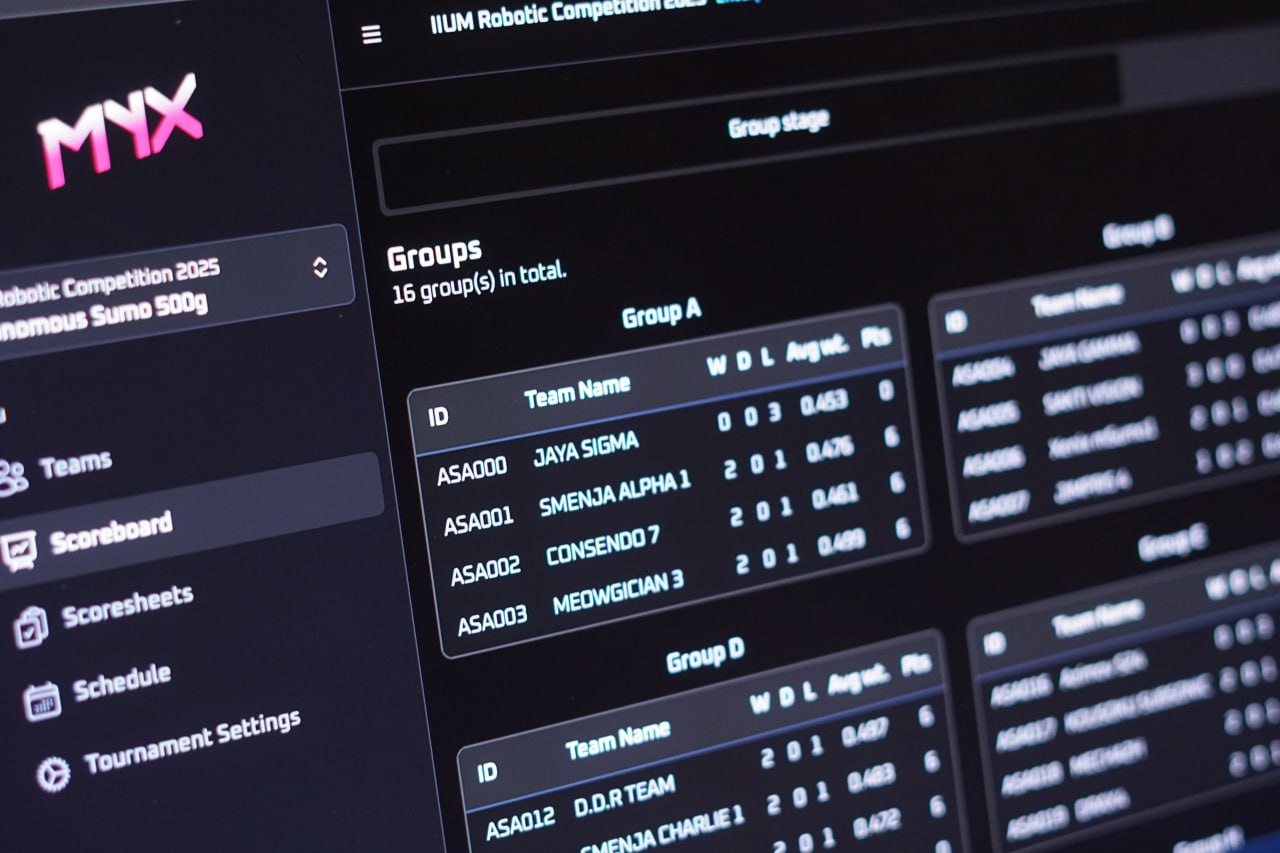
Tournamyx scored the IIUM Robotic Competition, an international championship where 406 school teams competed in sumo, robot soccer and time-rush events, using attempt-based scoring, custom tie-breaks, and one live leaderboard every team refreshed between runs.
Free for up to 8 players · $9 per event beyond that · Nothing to install
If any of these sound familiar
We built Tournamyx for robotics & stem competitions in exactly this situation.
Field guide · robotics & stem competitions
Most tournament software assumes a match: two sides, one result, a win column. Robotics competitions break that assumption on the first event of the day. A time-rush category has no opponent at all. A robot runs the course, the clock stops, and the team is ranked against every other team’s best run. Points-based challenges accumulate across attempts. Only the combat and soccer categories look like matches.
A single competition usually contains all three at once, which is why organizers end up with one spreadsheet per category and a manual merge at the end of the day. The merge is where the mistakes happen, because it is done fastest, latest, and by the most tired person in the building.
Tournamyx scores attempt-based categories natively alongside bracket categories, with custom metrics per event, so a timed run and a knockout series can live in the same competition and the same overall standings without a reconciliation step.
Three category types in one competition
| Category | Scoring model | Ranked by | Structure |
|---|---|---|---|
| Robot sumo | Head to head | Wins | Bracket |
| Robot soccer | Goals per match | Points, then goal diff | Groups |
| Time rush | Timed attempts | Best run | Leaderboard |
| Line follow | Points per attempt | Best or total | Leaderboard |
Two teams finish the course in 12.4 seconds. What happens next is either written down somewhere everyone can see, or it is decided by three judges under time pressure with a queue of parents watching, and whichever team loses that decision will believe it was arbitrary, because from where they stand it was.
Tie-breaks are the single most common source of dispute at STEM competitions, and they are entirely preventable. Encode them with the event, whether that is second-best run, fewest attempts used or earliest qualifying time, so the ranking resolves the same way every time and the rule is visible before anyone competes rather than after someone loses.
The same applies to attempt limits and scoring windows. Once they live in the system instead of in the head of whoever wrote the rulebook, the judges’ table stops being a negotiation desk.
In July 2025 Tournamyx ran the IIUM Robotic Competition: 406 school teams from Malaysia and abroad, three categories, 755 matches scheduled and scored live. At that scale the bottleneck stops being the arena and becomes paper: scoresheets walking from the floor to the judges’ table, and a leaderboard that is always twenty minutes behind reality.
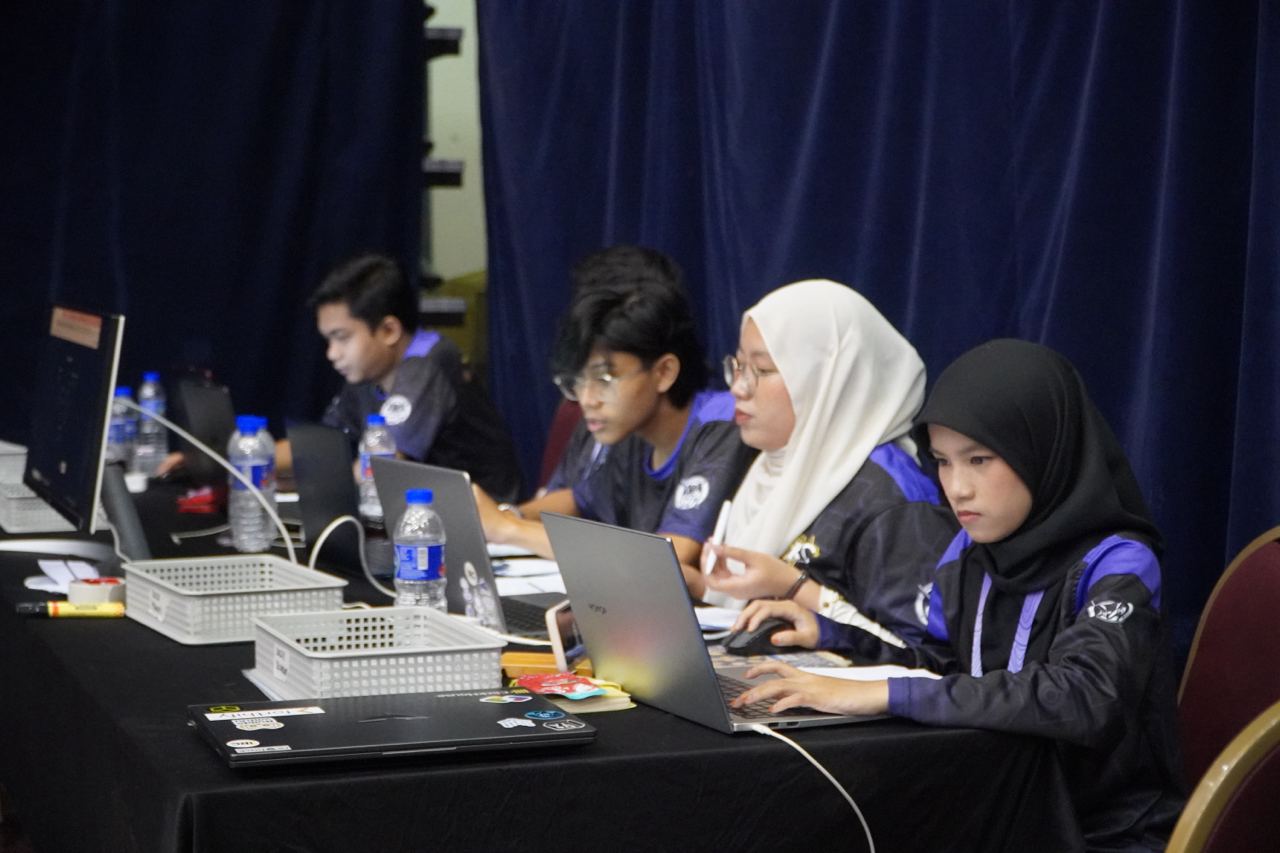
The things that mattered were unglamorous: multiple scorers entering results at the same time from different arenas without overwriting each other, standings recomputing as each run finished, and one public leaderboard the teams could check themselves so they stopped queuing to ask. Whether you are running four school teams or four hundred, that is the same shape of problem. The tournament bracket generator covers the head-to-head half if that is all you need.
Questions
Attempt-based scoring ranks each robot on its own runs rather than on beating an opponent. Tournamyx supports configurable attempts per participant, scoring by points, time or a custom metric, and priority-ordered tie-break rules, with presets for points-based, time-based, soccer and sumo categories.
Yes. Each category runs as its own tournament with its own scoring model, and all of them publish under one event on a single public link. Tournamyx ran the IIUM Robotic Competition this way in July 2025: 3 categories, 406 teams and 755 matches across 8 fields.
Tournamyx applies priority-ordered tie-break rules that you set before the event rather than at the judging table. Attempt-based categories can rank on a custom metric such as fastest time or highest single score, and standings recalculate on every saved result.
Tournamyx ran 406 teams and 755 matches across 8 fields and 3 categories at the IIUM Robotic Competition in July 2025, all on one public link. Plan limits are 8 participants per tournament on Free, 64 on Plus and 256 on Pro, and there is no limit on how many tournaments an event contains.
The comparison
Every match day brings the same questions. Answer them one message at a time, or send one link that answers them for you.
What it handles
Tournament management software earns its keep on match day, at the moments most events fall apart.
Scheduling
Enter your teams, groups and courts. Tournamyx lays every round out across them, so no court sits empty.
Formats
From round robins to timed attempts, and multi-stage events that chain a group stage into a knockout.
Changes
Drag them out, drop a replacement in. The bracket and the public link adjust on their own.
Scoring
Standings recalculate and the bracket advances on every save, before the teams have walked off the court.
Collaboration
Invite co-scorekeepers and divide the venue between you. Every score lands in the same live standings.
Case study · IIUMRC, Jul 2025
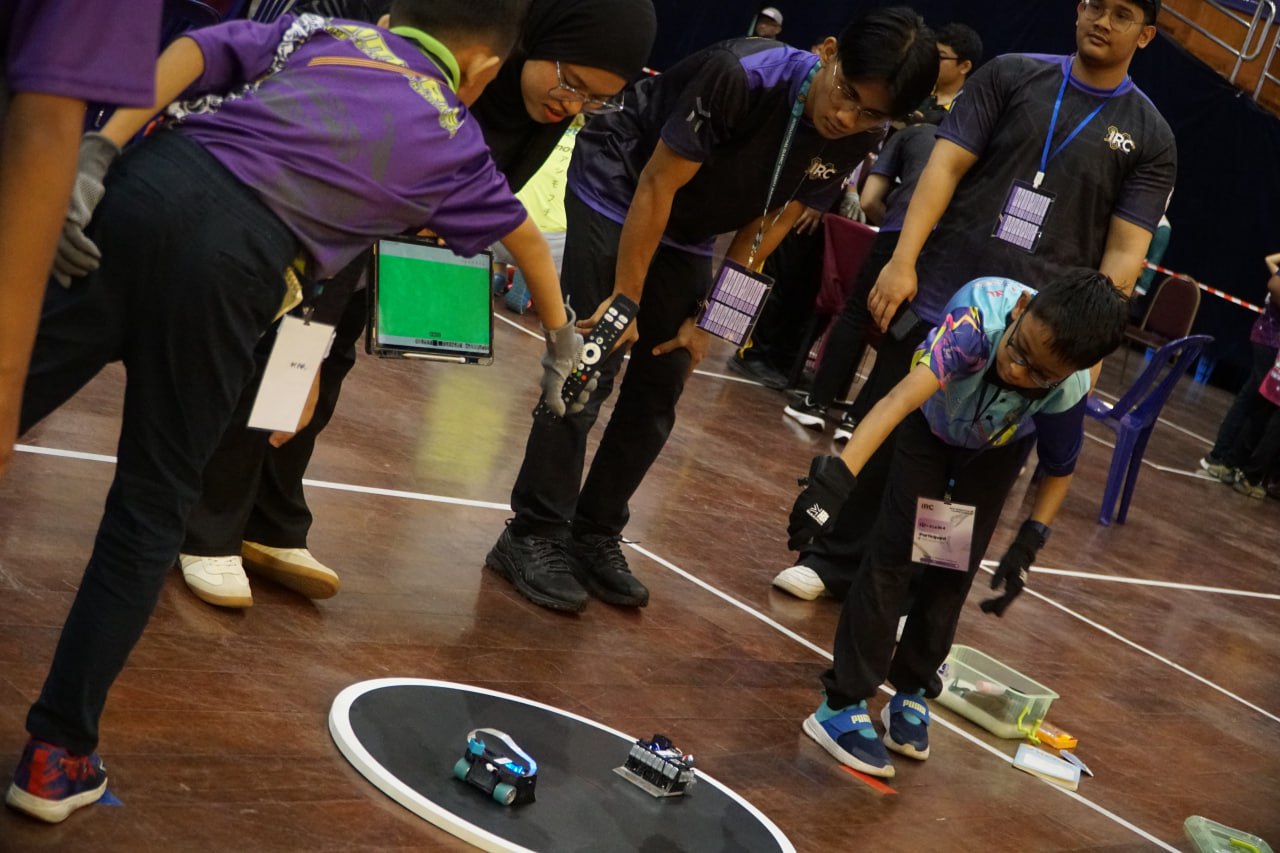
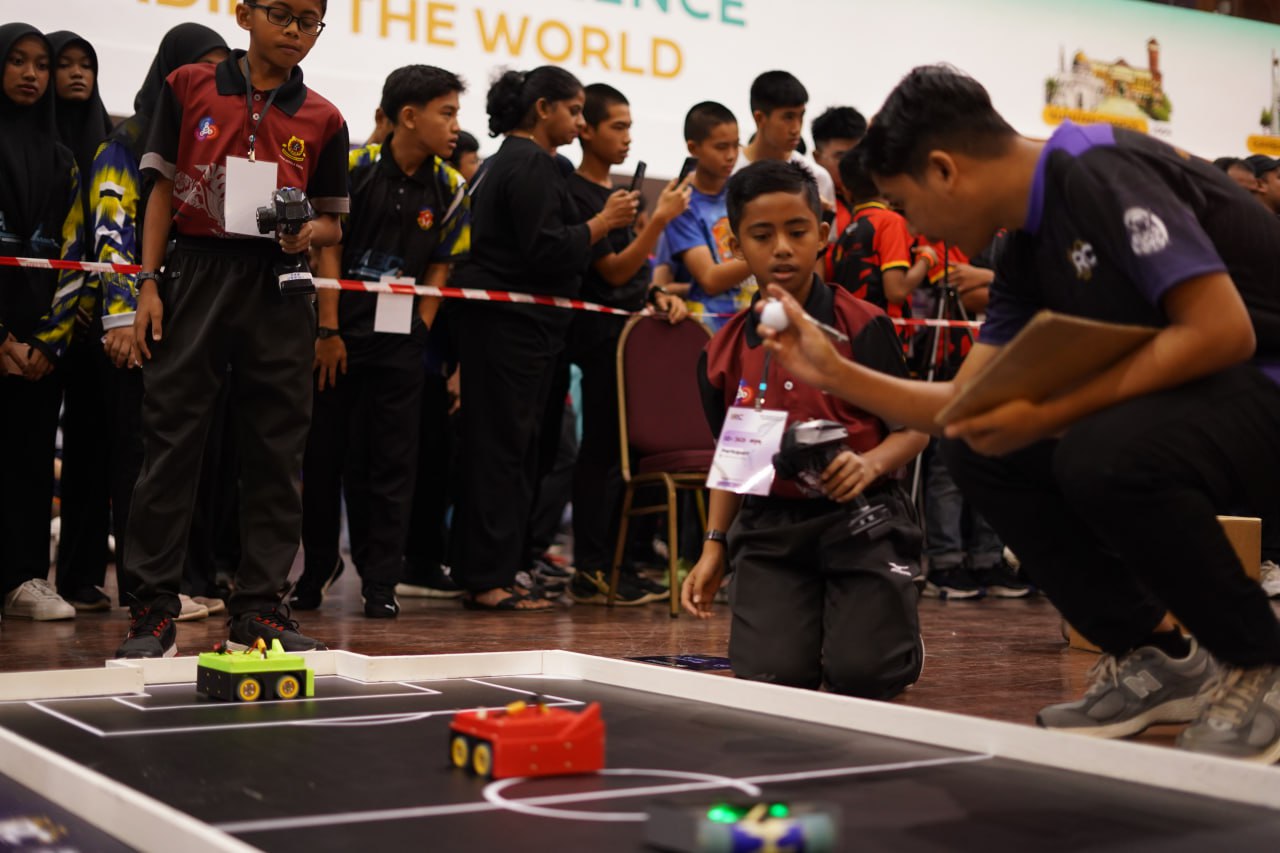
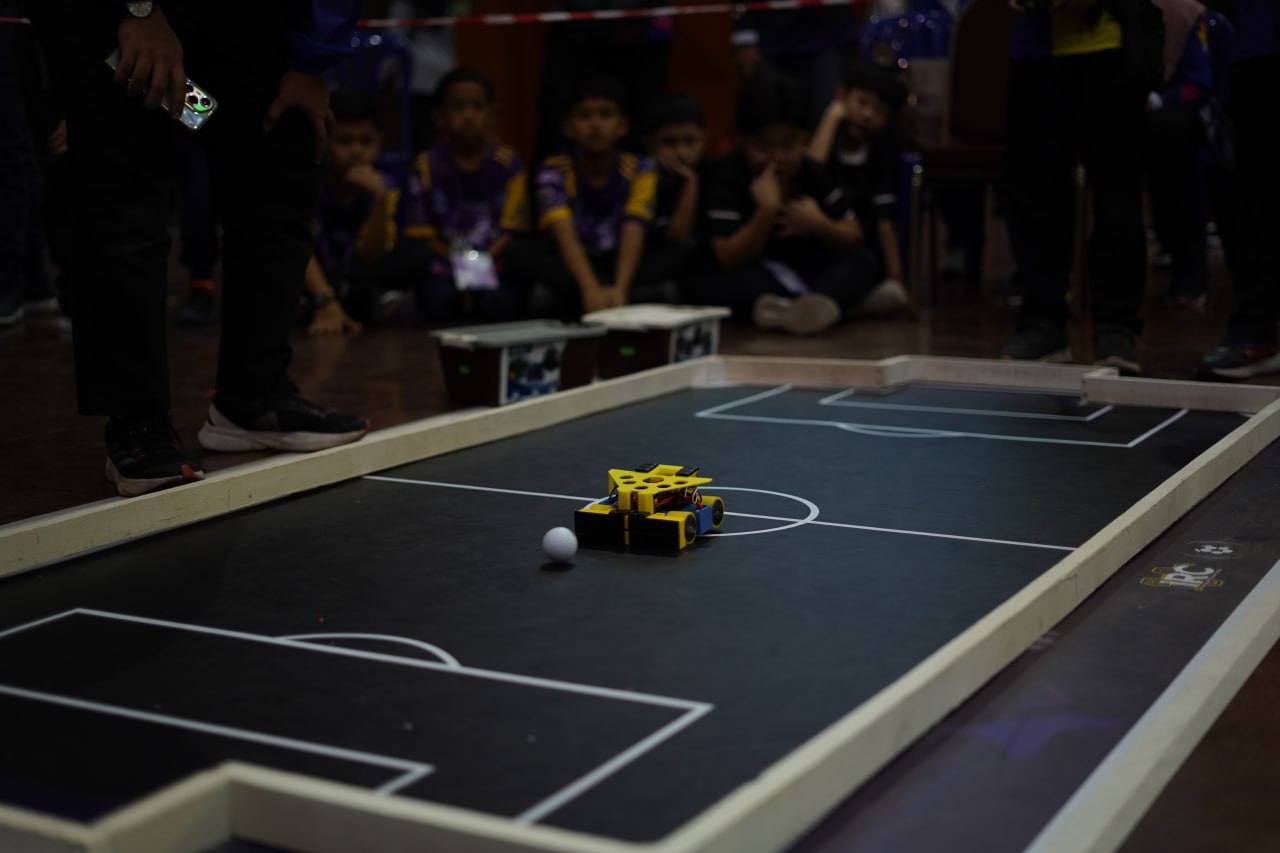
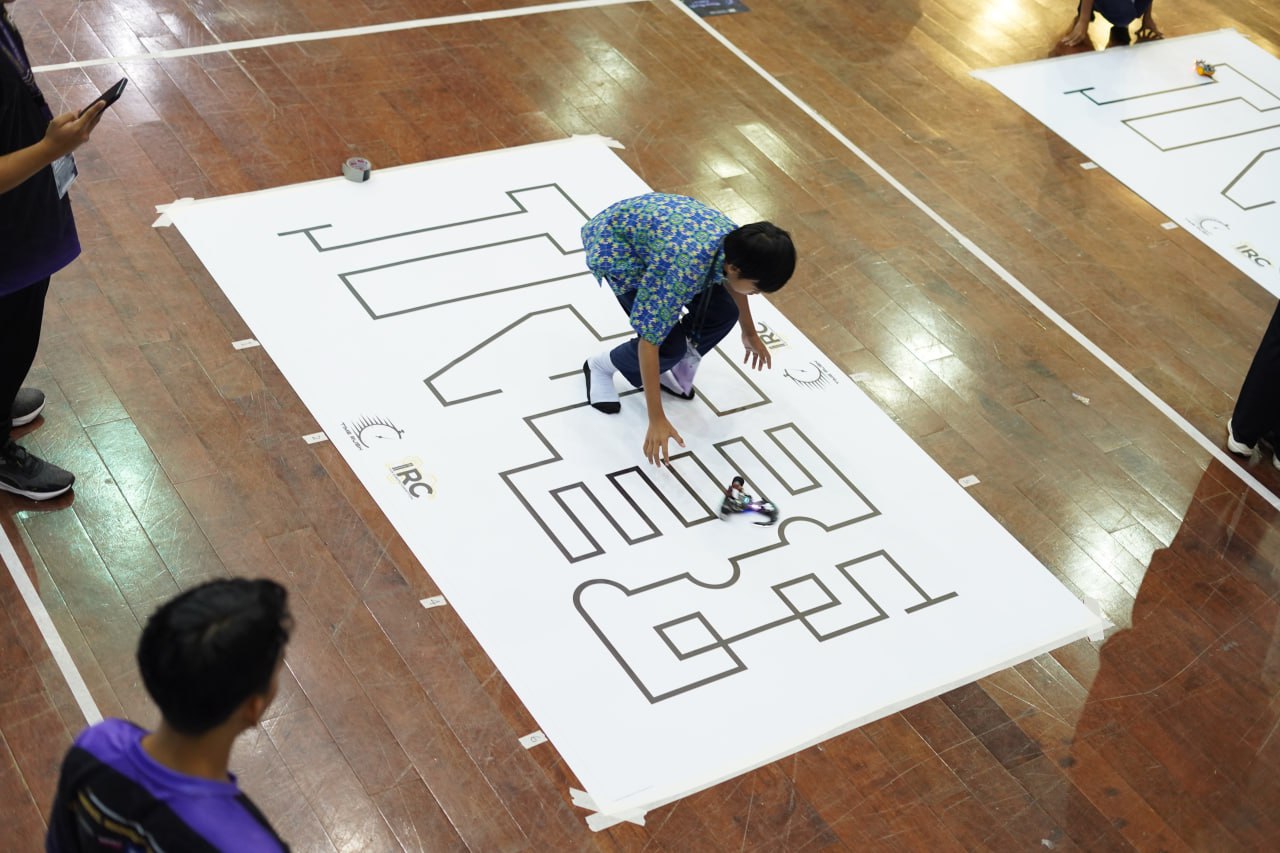
In July 2025, Tournamyx ran the IIUM Robotic Competition, the annual international robotics tournament at IIUM Gombak, where school teams from Malaysia and abroad compete in sumo, robot soccer, and time-rush events. That came to 406 teams across three categories and 755 matches, all scheduled and scored live, with every standing on one public link. If it holds up there, it will hold up at your Sunday futsal night.
Read how we did it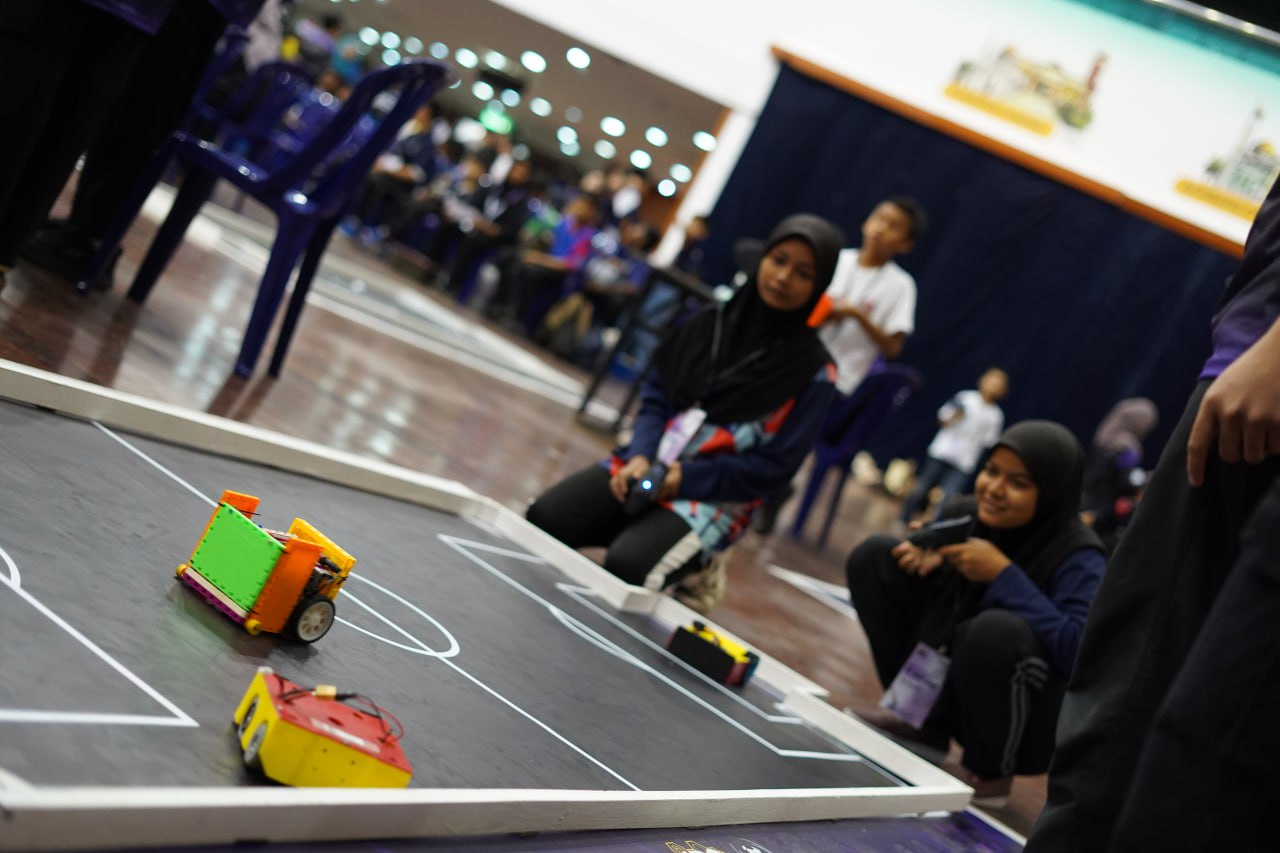
Kickoff
Enter the teams, let Tournamyx lay out the draw, and share one link that stays current for the rest of the day.
Free for up to 8 players · $9 per event beyond that · Nothing to install